About
Tribute to Otis Jones
28.05.26 > 04.07.26
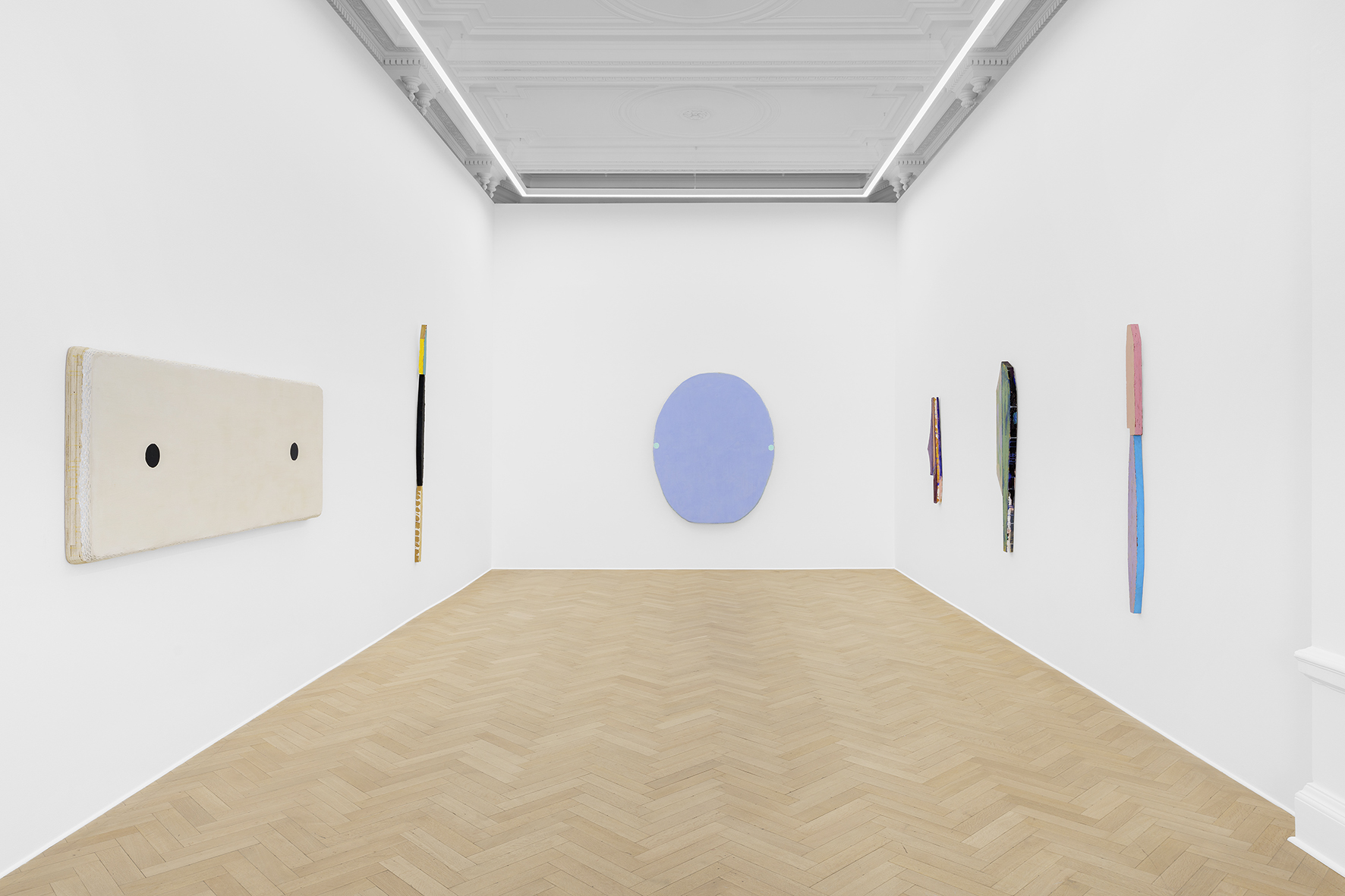
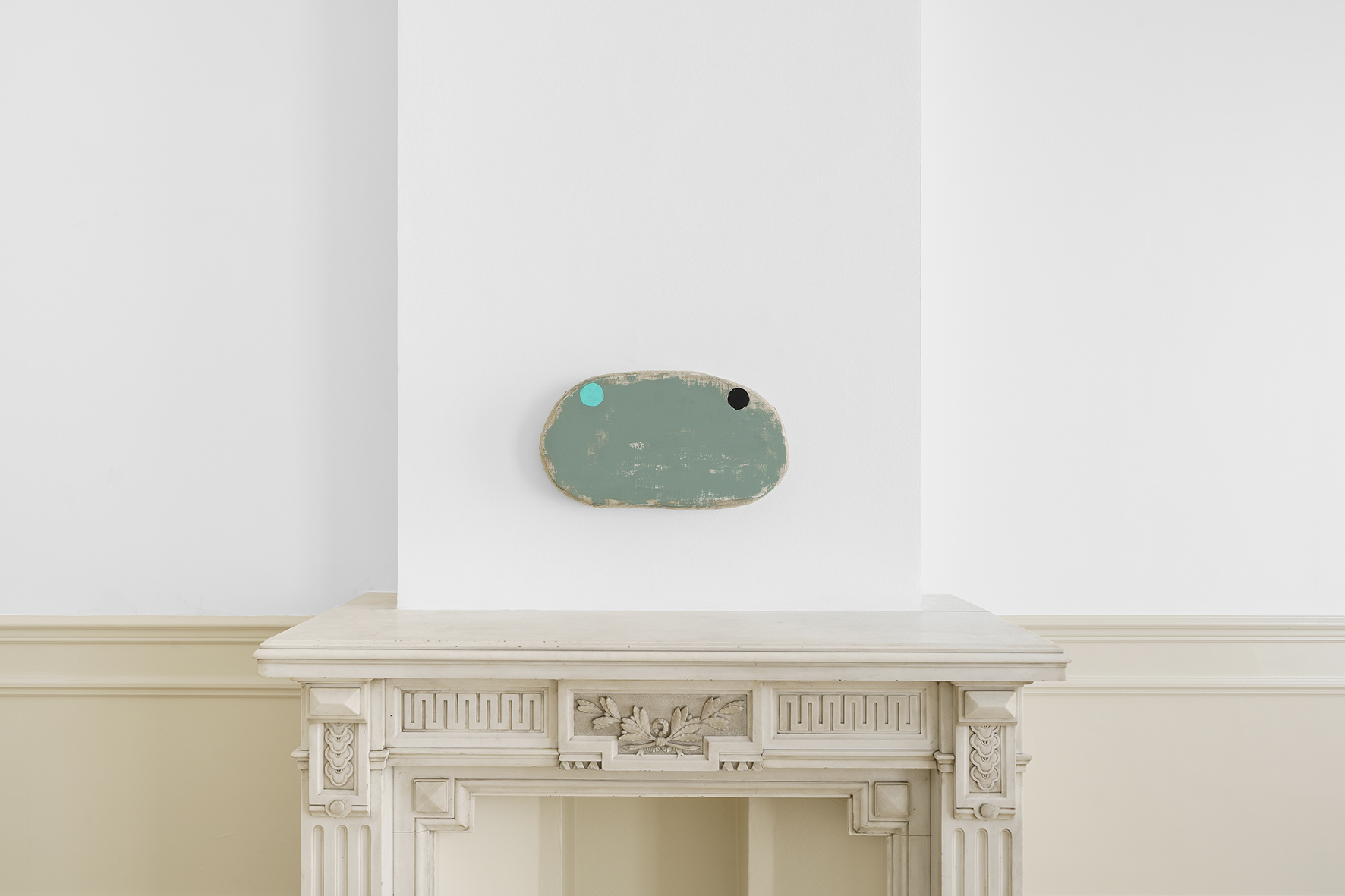
Born in Galveston, Texas, in 1946, Otis Jones belongs to a major generation of American abstract painters that includes Nancy Haynes, Harriet Korman, David Reed, and Stanley Whitney. His work engages a rigorous exploration of the material nature of painting and the continually renewed possibilities of abstraction.
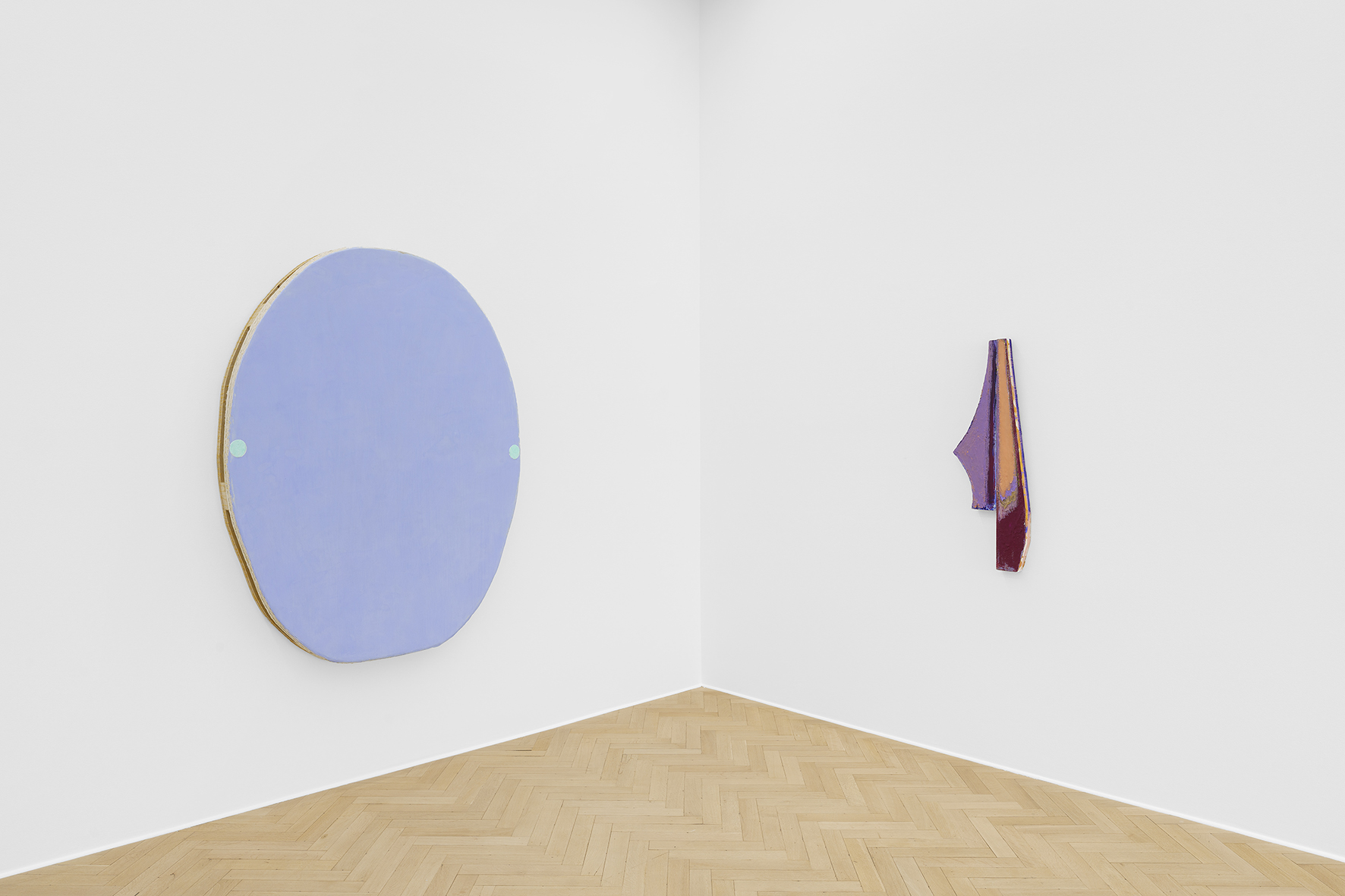
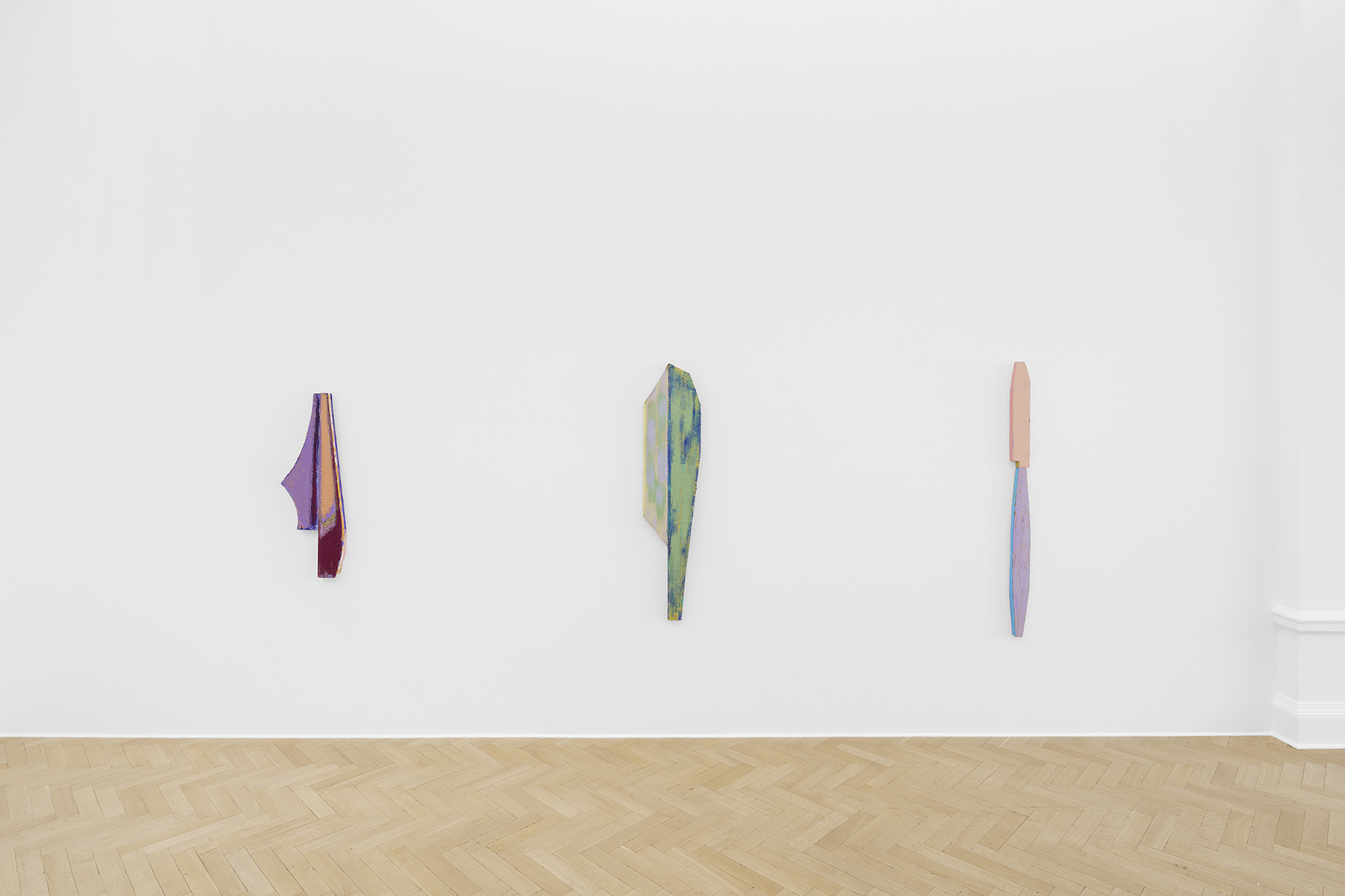
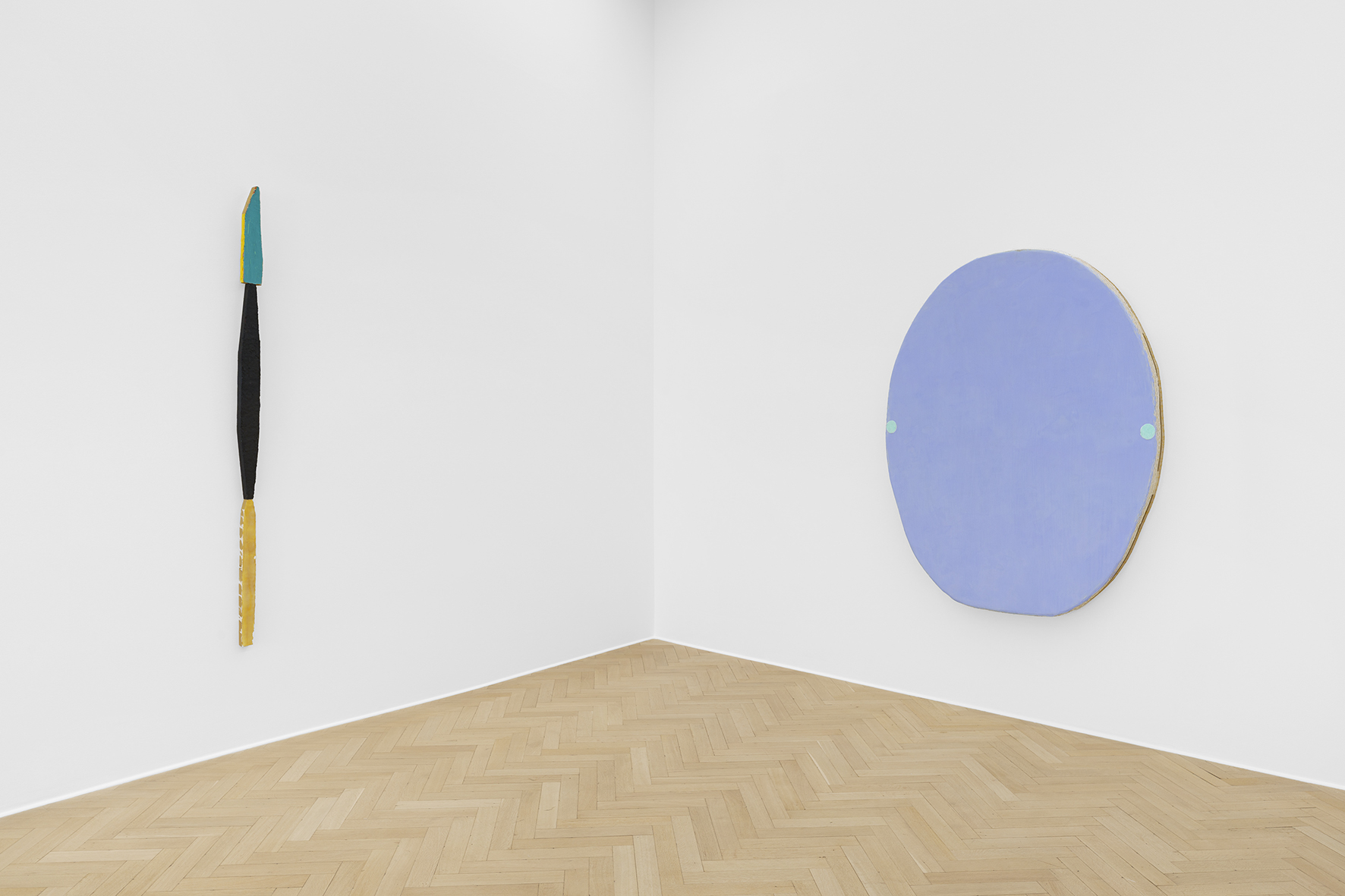
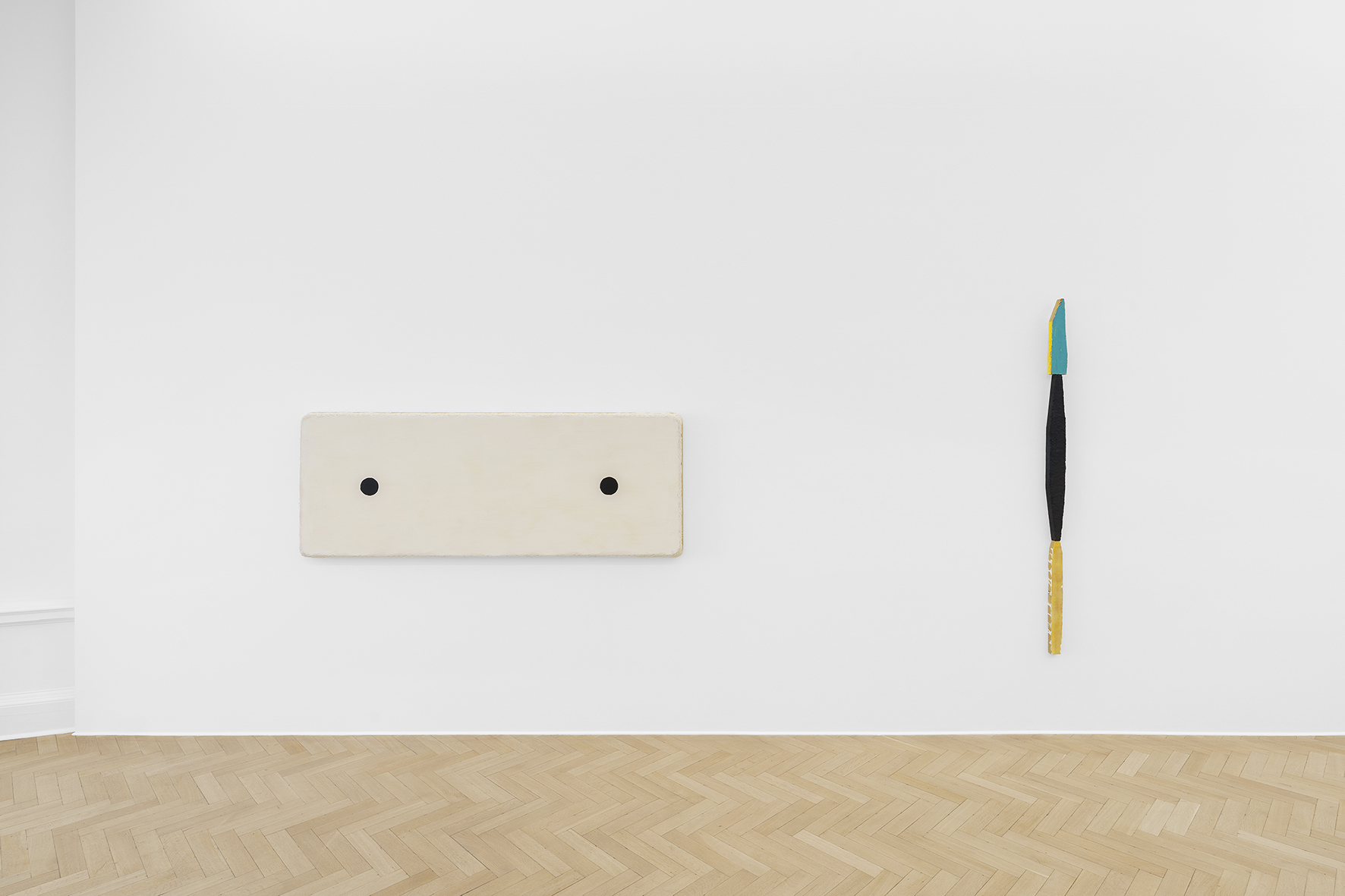
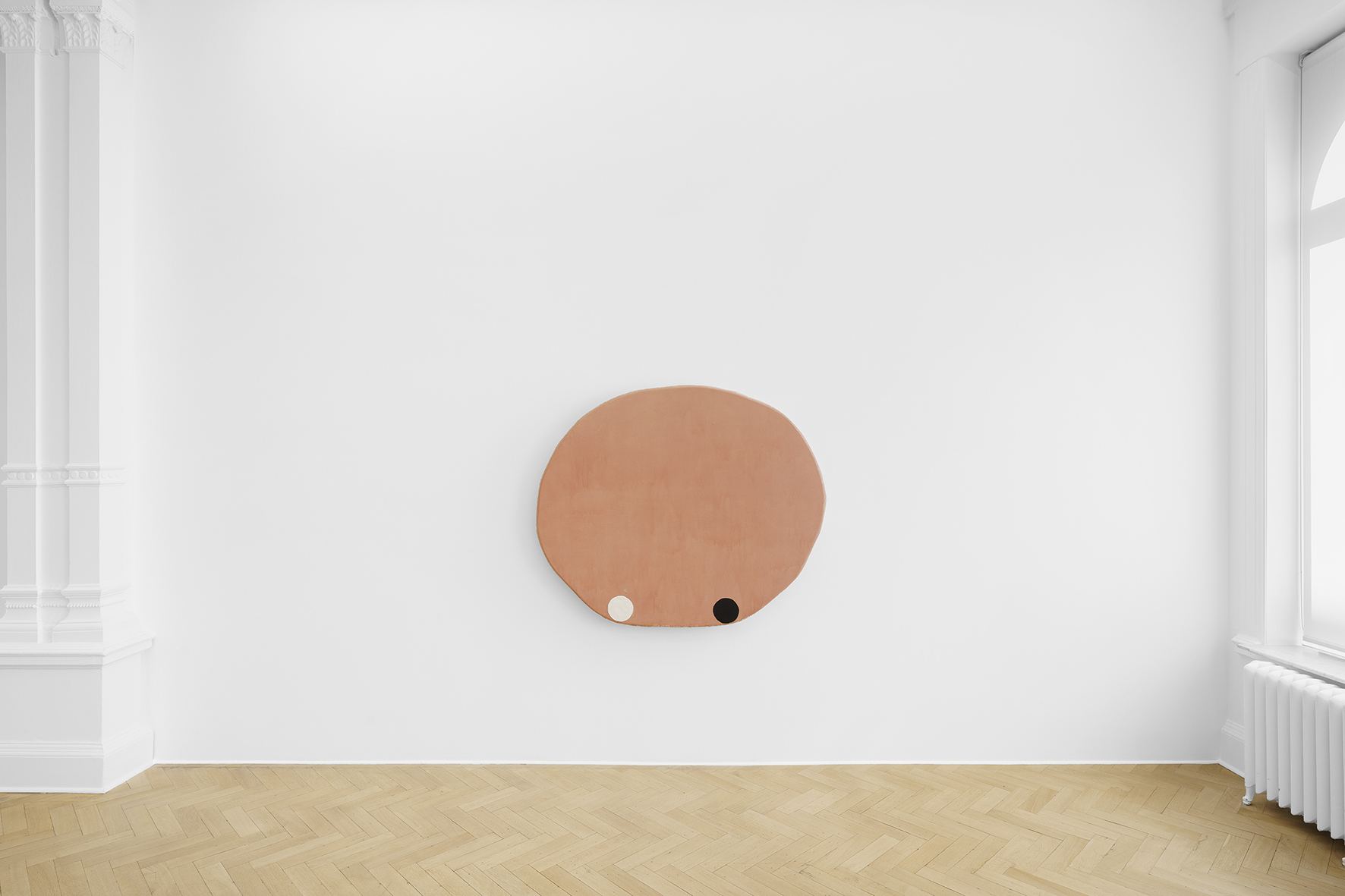
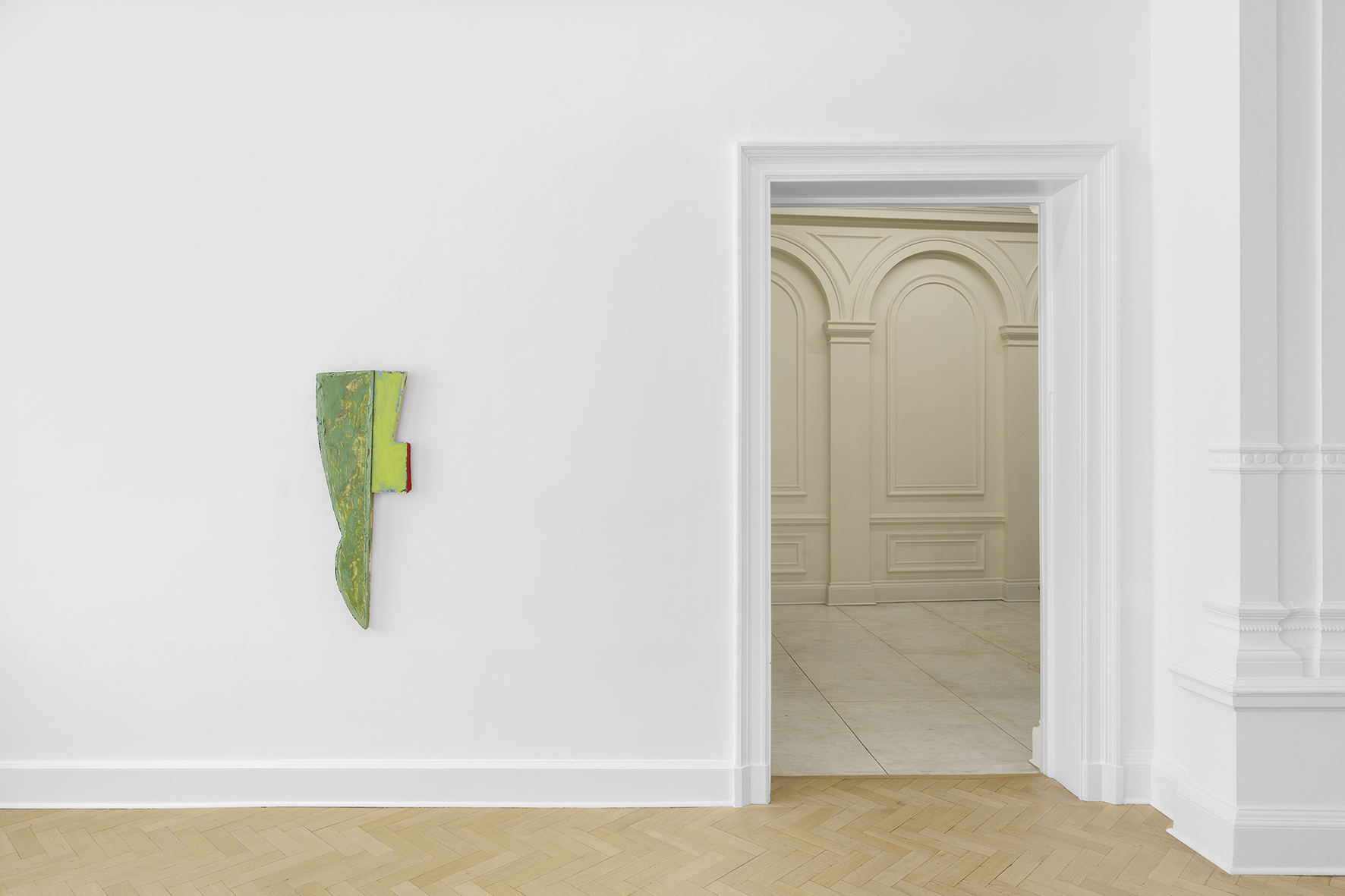
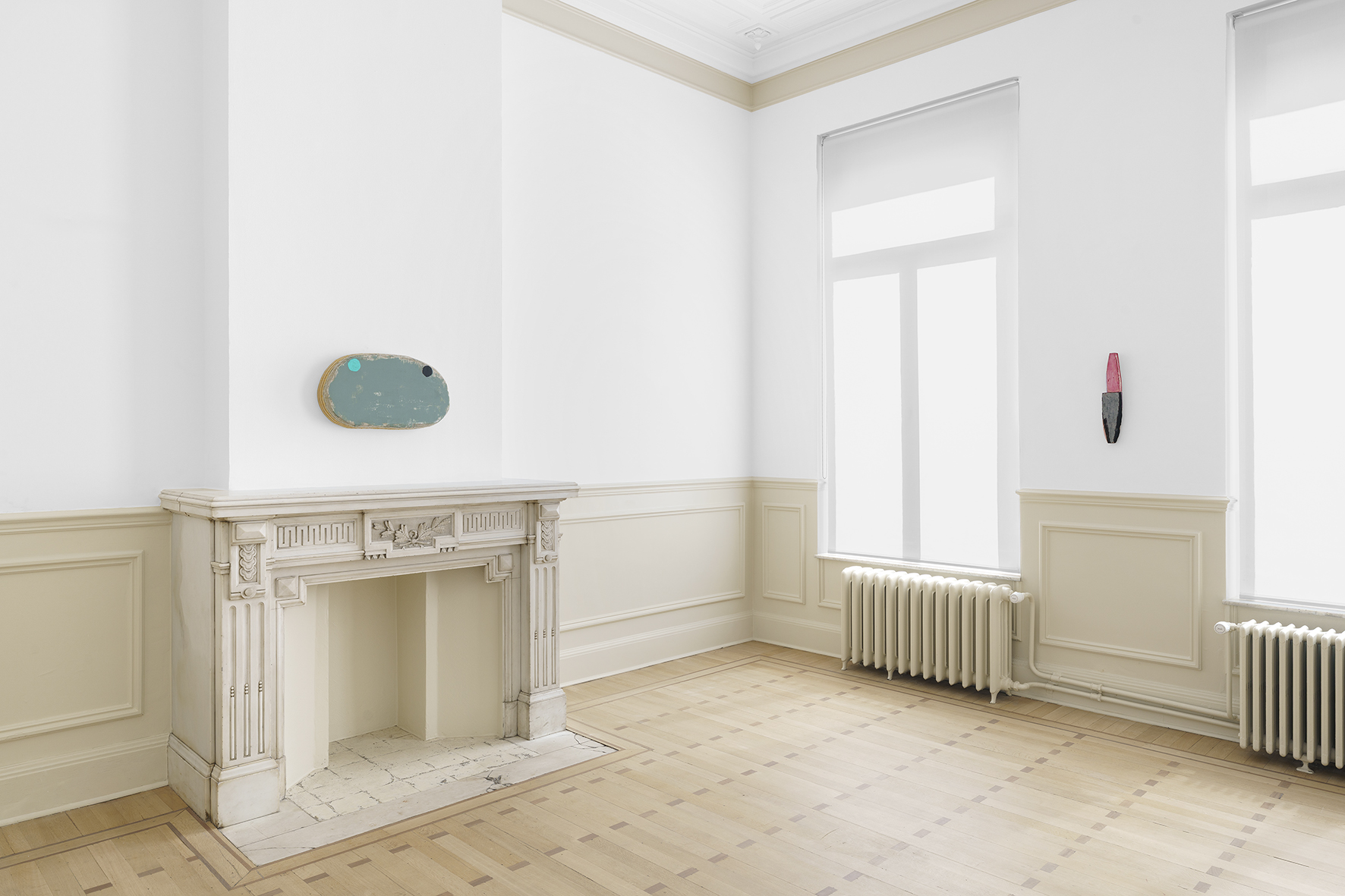
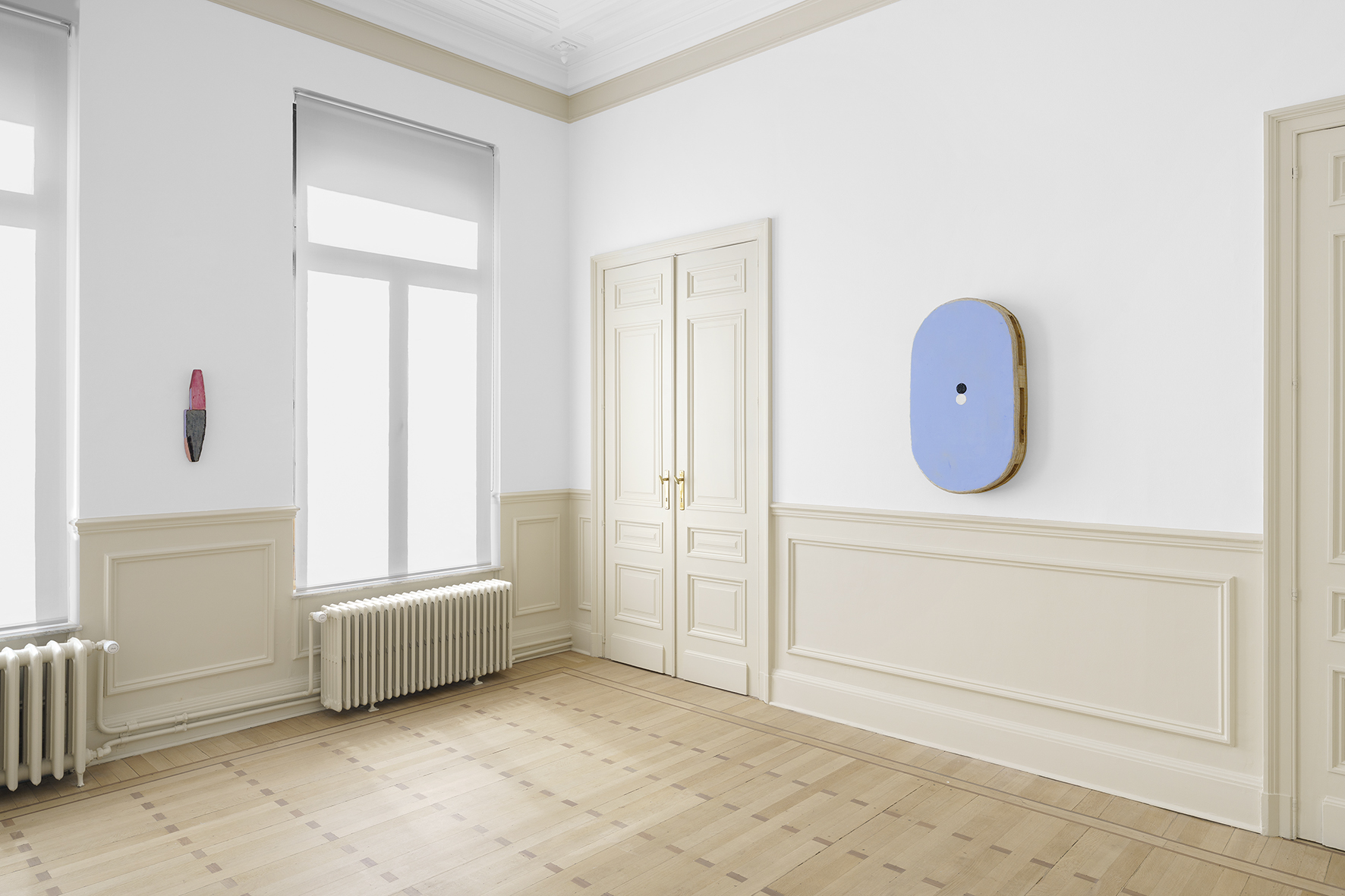
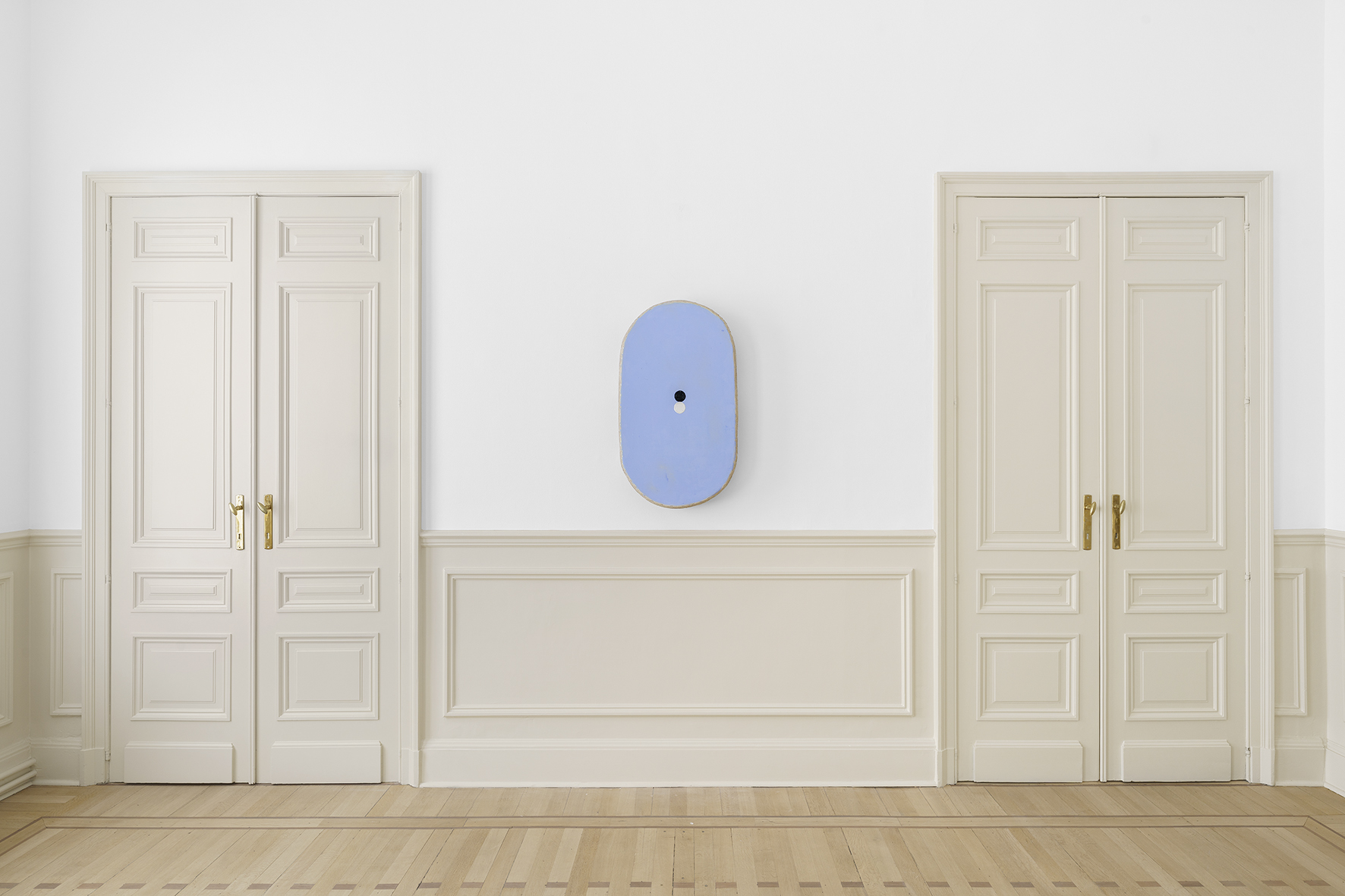
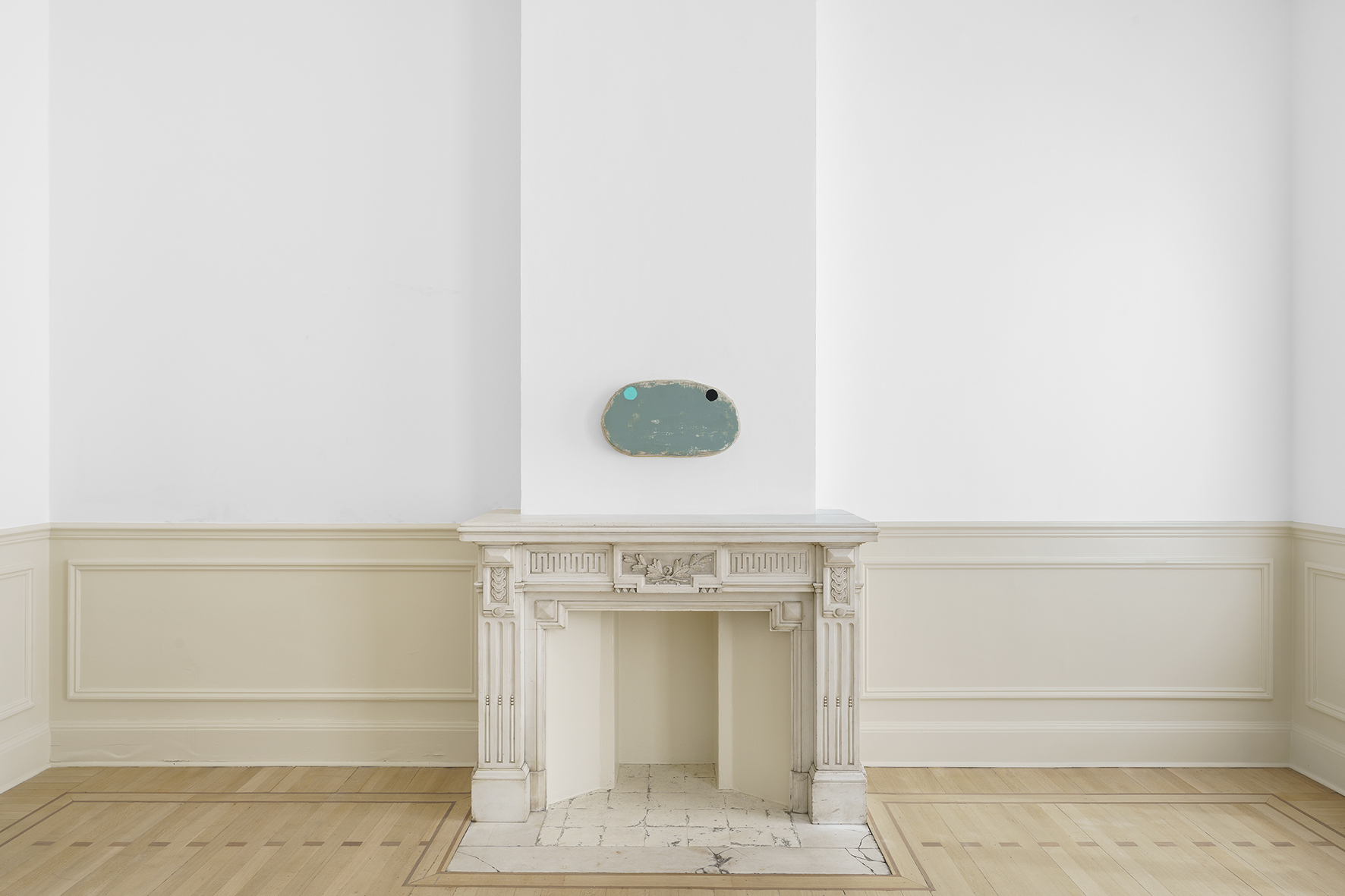
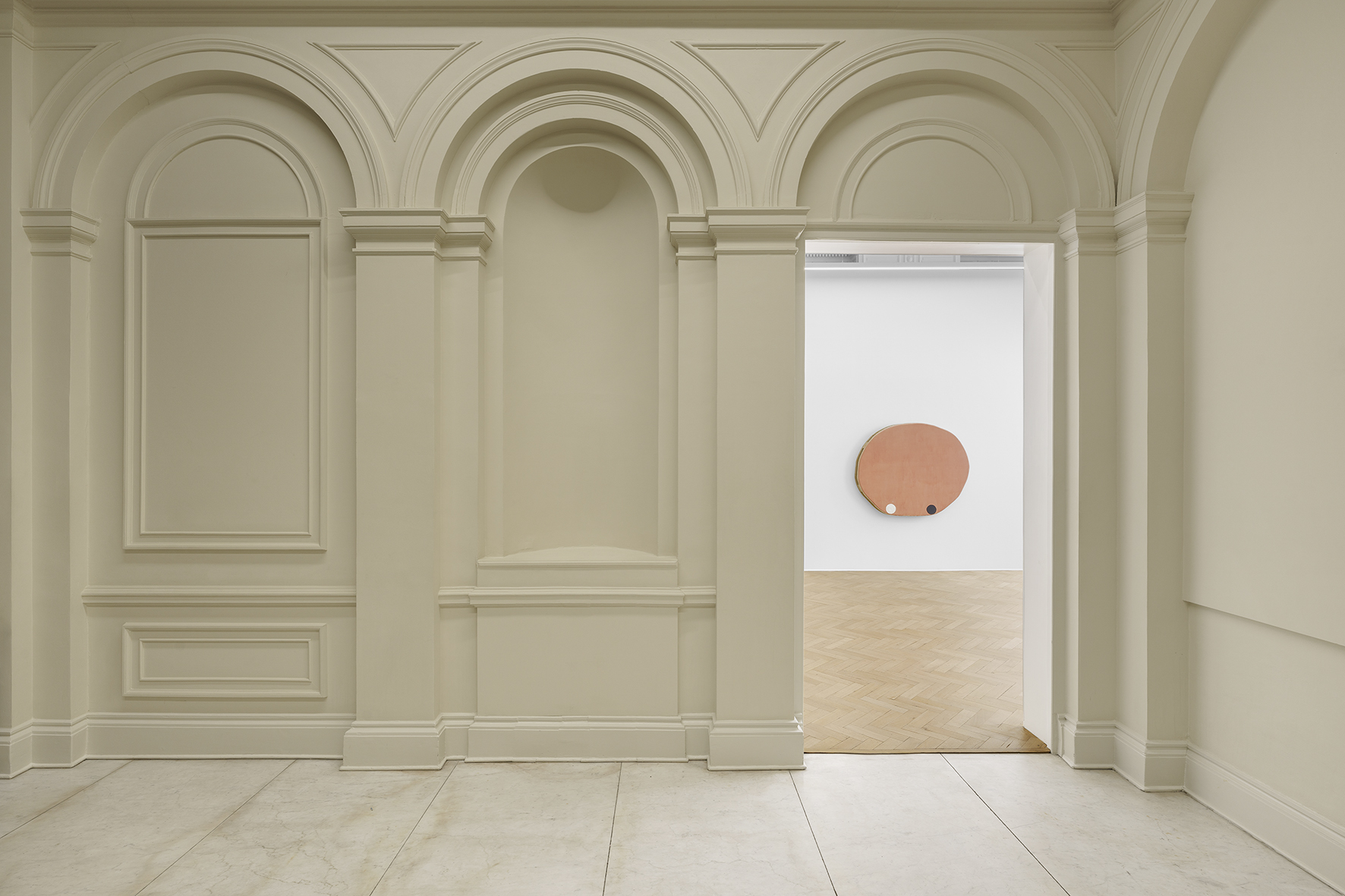
In Jones’s practice, every element proceeds from a precise intention: the shape of the support, the construction of the surface, the methods of paint application, even the placement of the staples attaching the canvas to its stretcher. Nothing is incidental. His work is rooted in reductive painting and the notion of painting-as-object, ideas that occupied a central place in artistic discourse during the late 1960s and early 1970s, when he was developing his visual language. Yet rather than merely revisiting these propositions, Jones fundamentally transforms them.
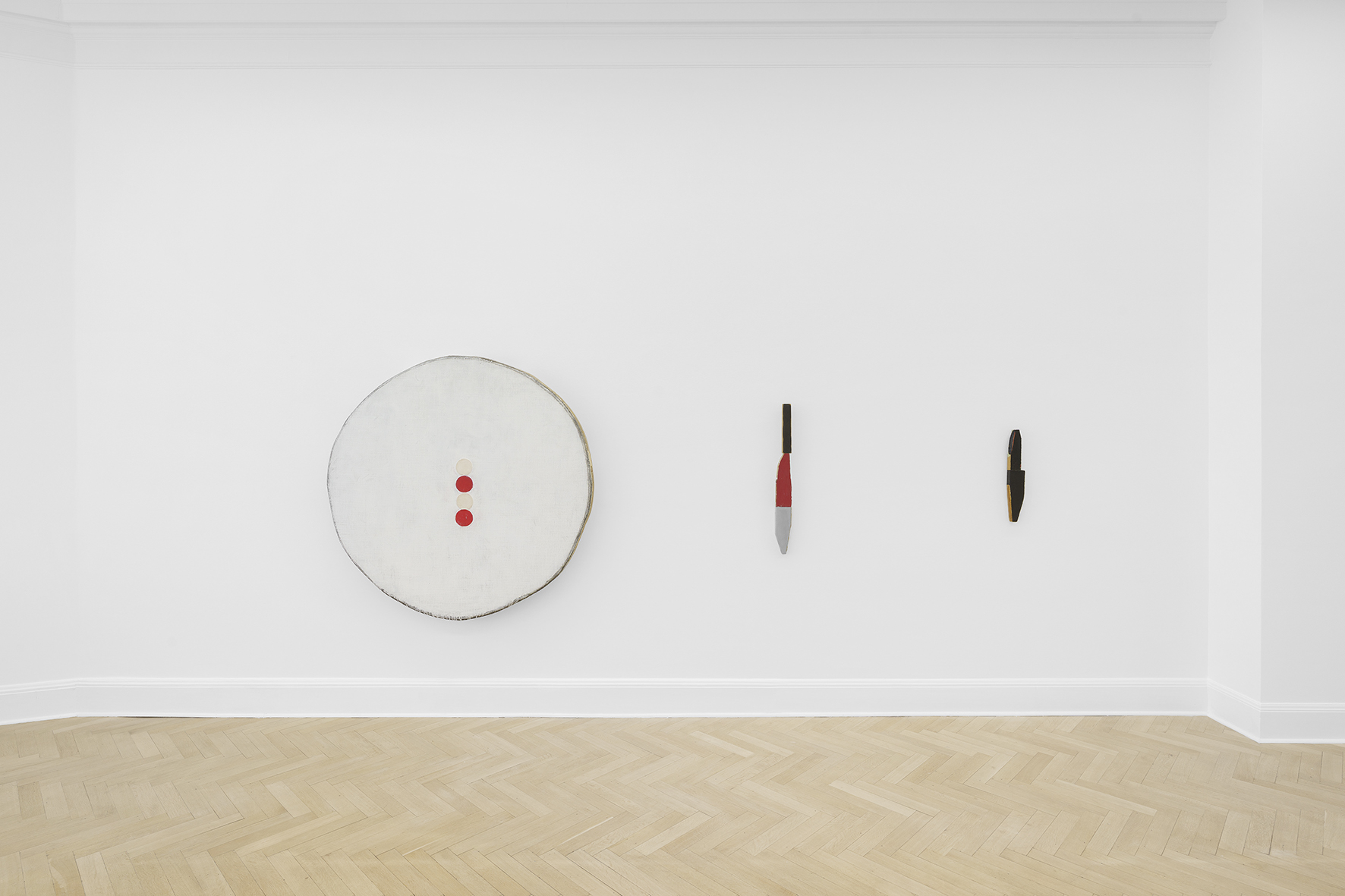
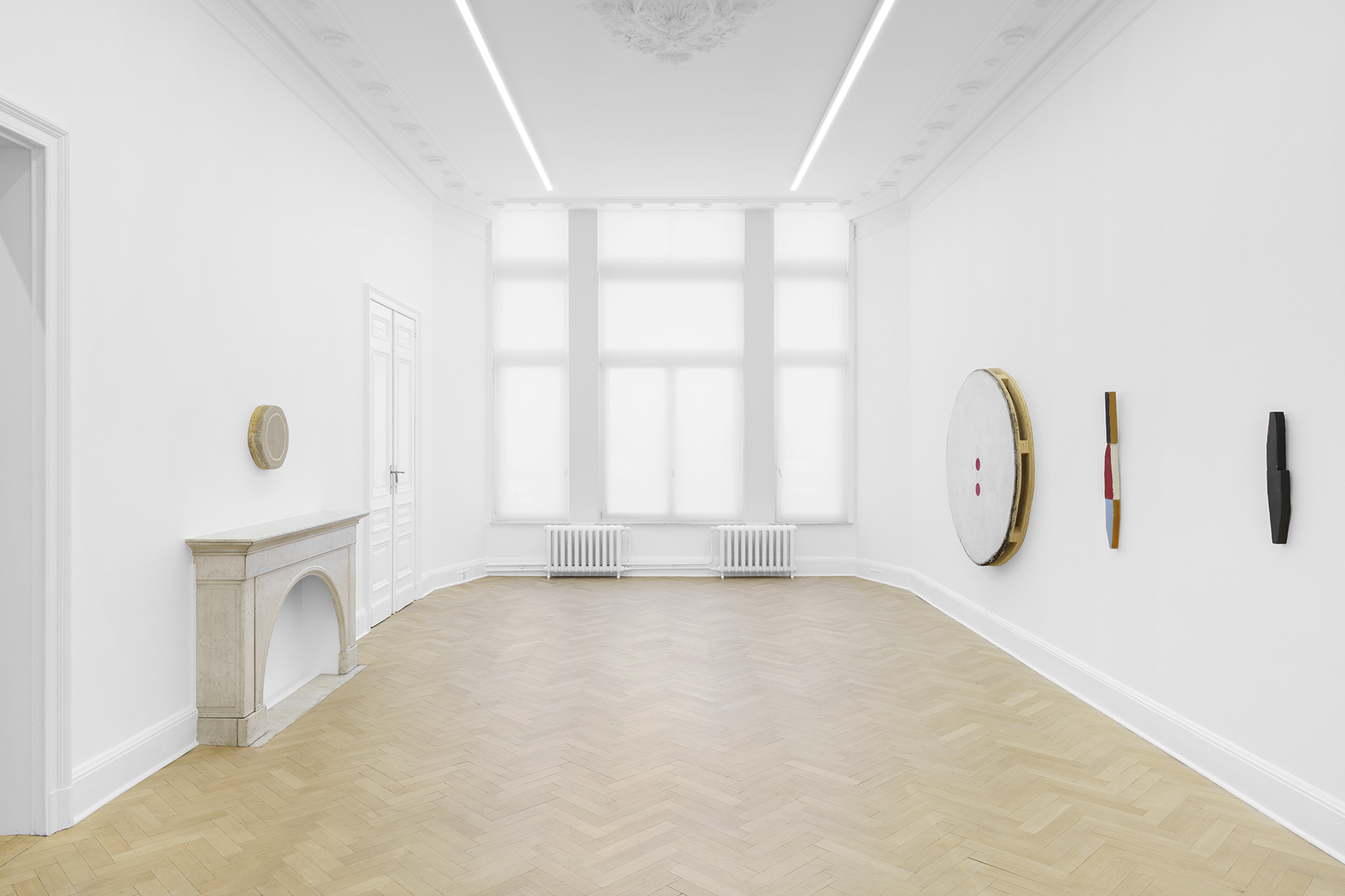
His approach seems to echo Jasper Johns’s well-known dictum: “Take an object. Do something to it. Do something else to it.” The object Jones subjects to this ongoing process of transformation is painting itself — considered in its most elemental physical presence. Leaning against the wall, his works assert a minimalist frontal presence while simultaneously conveying a deeply tactile and sensuous dimension.
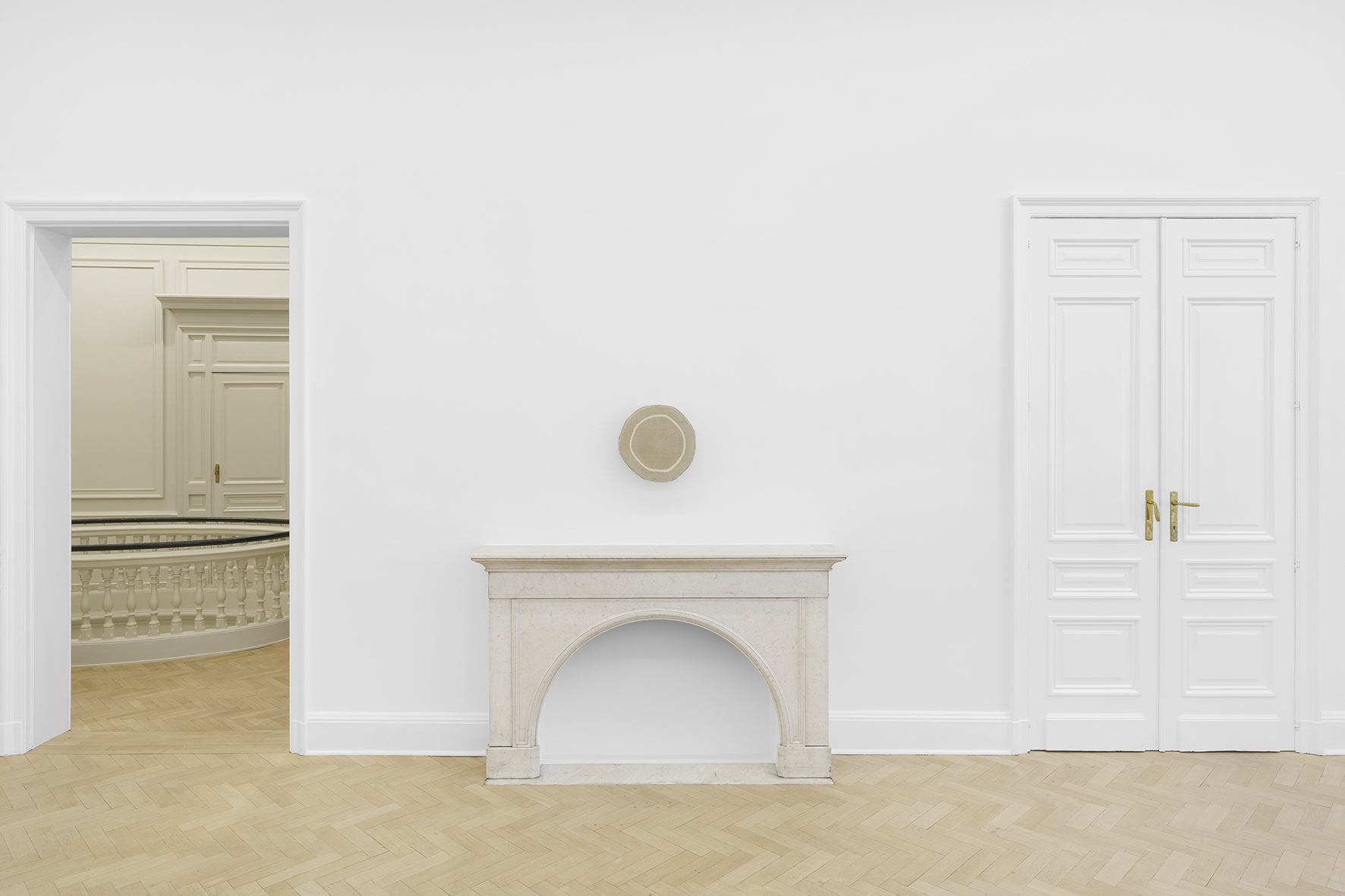
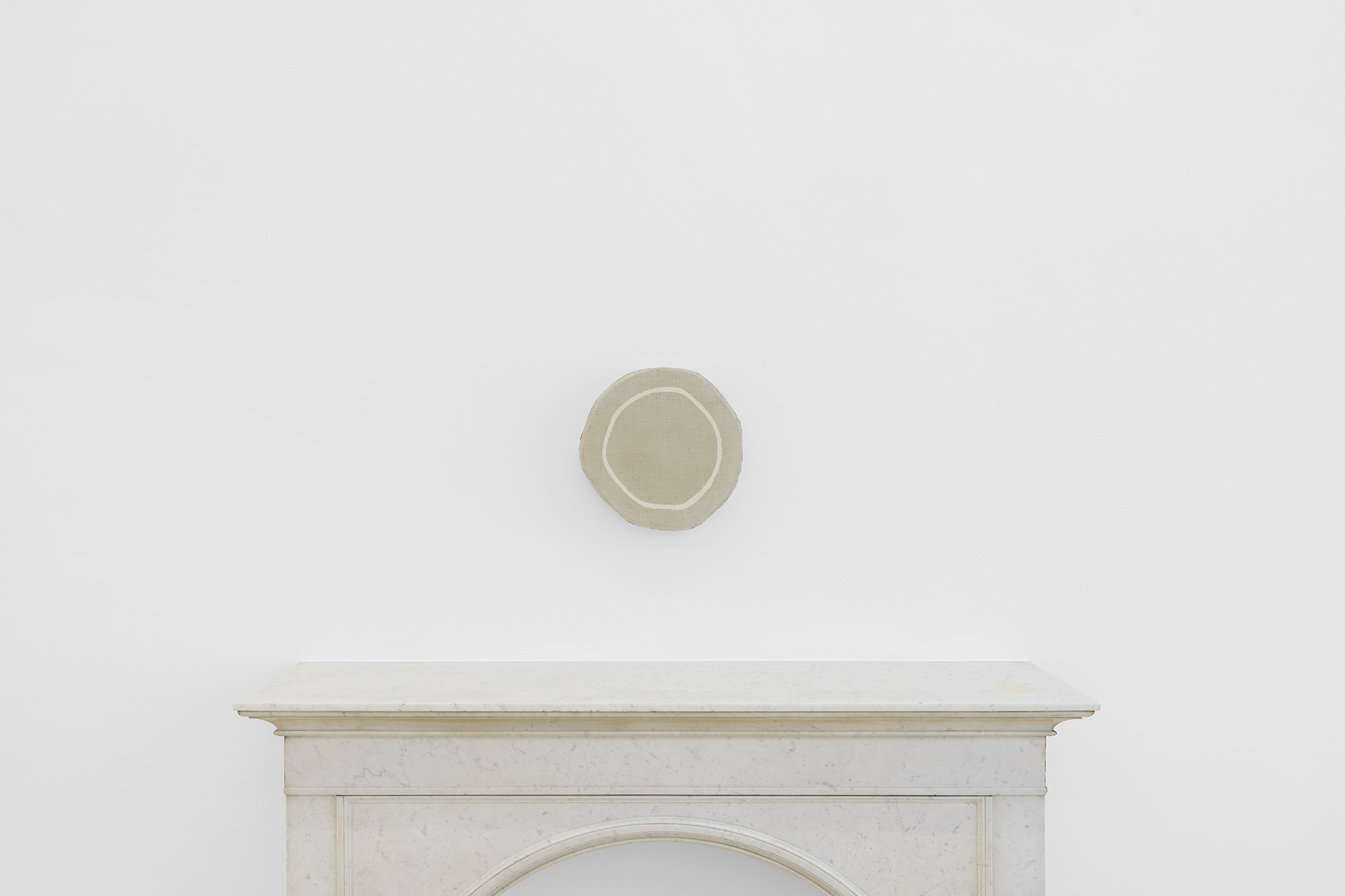
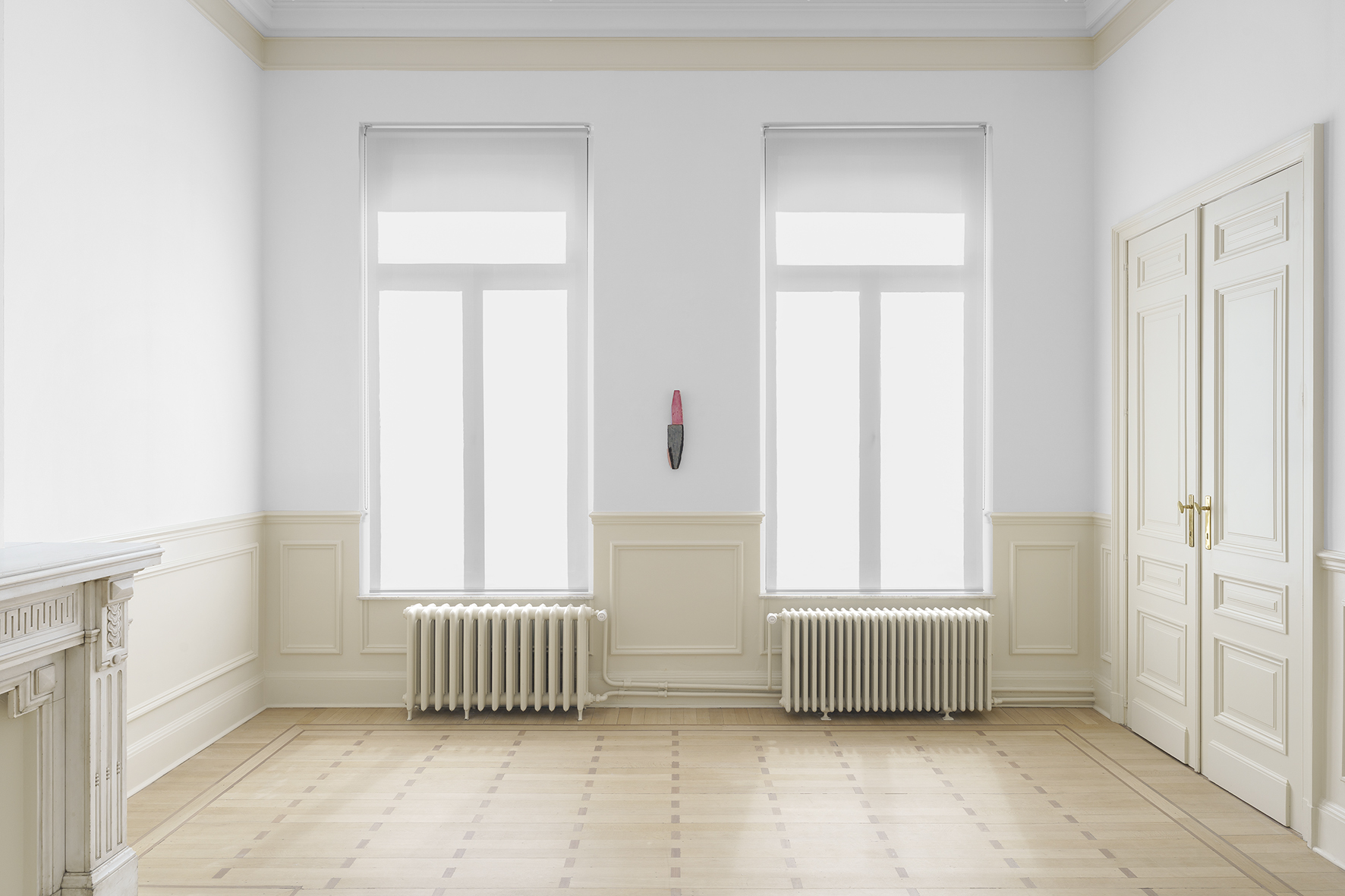
Jones applies acrylic paint through processes of remarkable material subtlety: pigment rubbed into the weave of the canvas, thin veils spread across the surface, abrasions, removals, and accumulations of matter. Each intervention reveals both the density of the paint and the physicality of the support. His formal vocabulary — composed primarily of bars and circles — emerges through acts of addition and subtraction. Earlier layers appear beneath incised surfaces; temporary circular masks leave behind shallow impressions; elsewhere, built-up pigment gives the circle an almost sculptural presence.
Otis Jones has developed a singular practice in which materials and process become inseparable from the work itself. From the handmade shaped supports to the expressive use of staples, from the application of color to its removal, every gesture affirms the material identity of the painting. In this sense, Jones overturns the modernist paradigm articulated by Frank Stella’s statement, “What you see is what you see,” replacing pure opticality with an experience that is distinctly physical and sensory. Rejecting both mechanical coldness and overt gestural expressionism, Jones opens a pictorial space of remarkable restraint and intensity.
His paintings, with their muted tonalities and quiet presence, invite slow contemplation. They become true “meditation pieces,” calling for sustained, mobile, almost introspective looking.
Jones’s paintings do not refer to any recognizable image of the external world. They exist within an autonomous field of abstraction, where painting asserts itself entirely on its own terms. It is precisely here that the strength of his work resides: in its ability to renew the possibilities of abstraction through an economy of means of exceptional precision. At once austere and sensuous, his works do not comment on the history of painting; they extend its possibilities in subtle yet profound ways. In an era where the idea of originality often seems exhausted, Jones’s work appears nothing short of revelatory.
John Yau