About
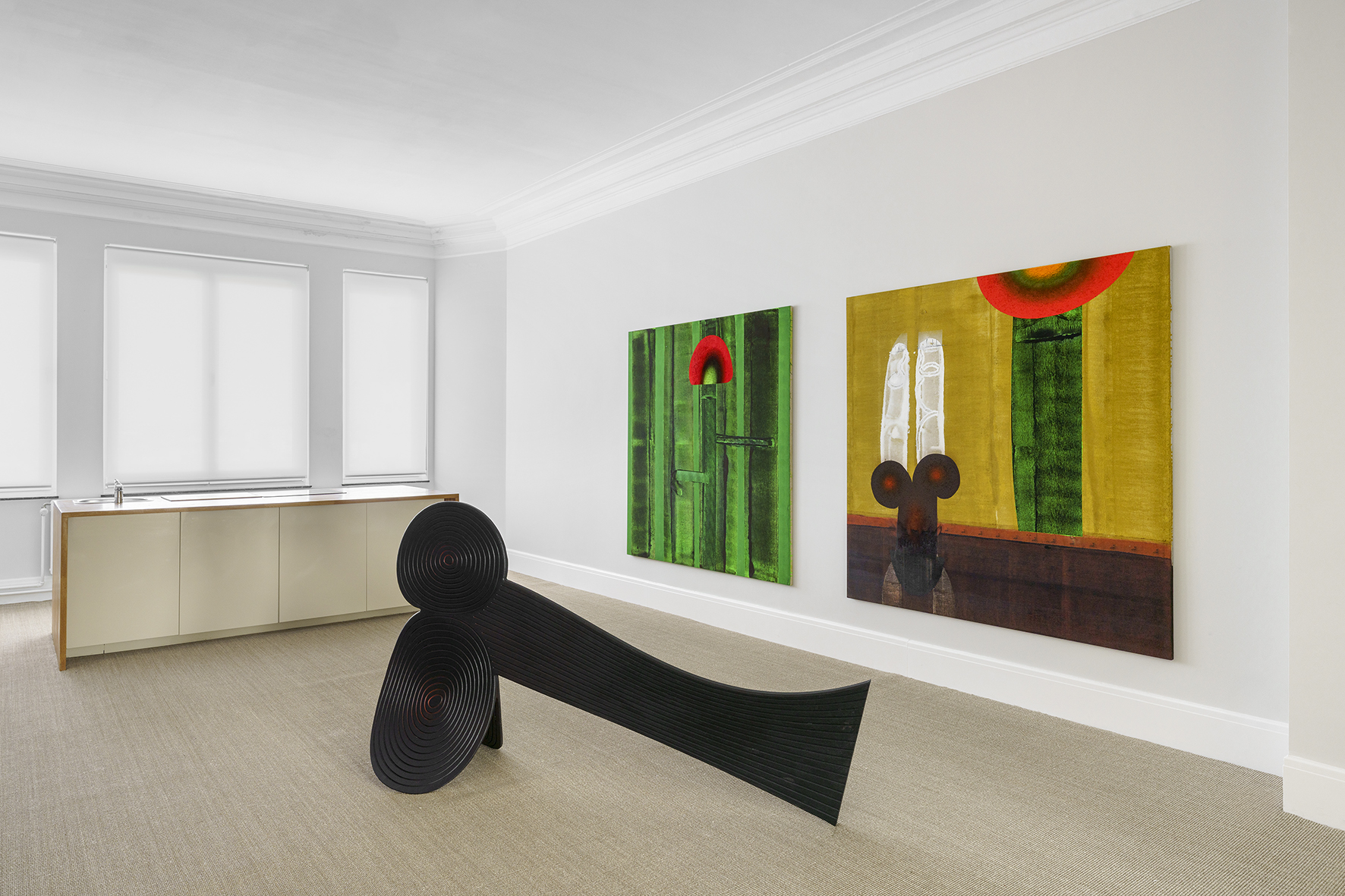
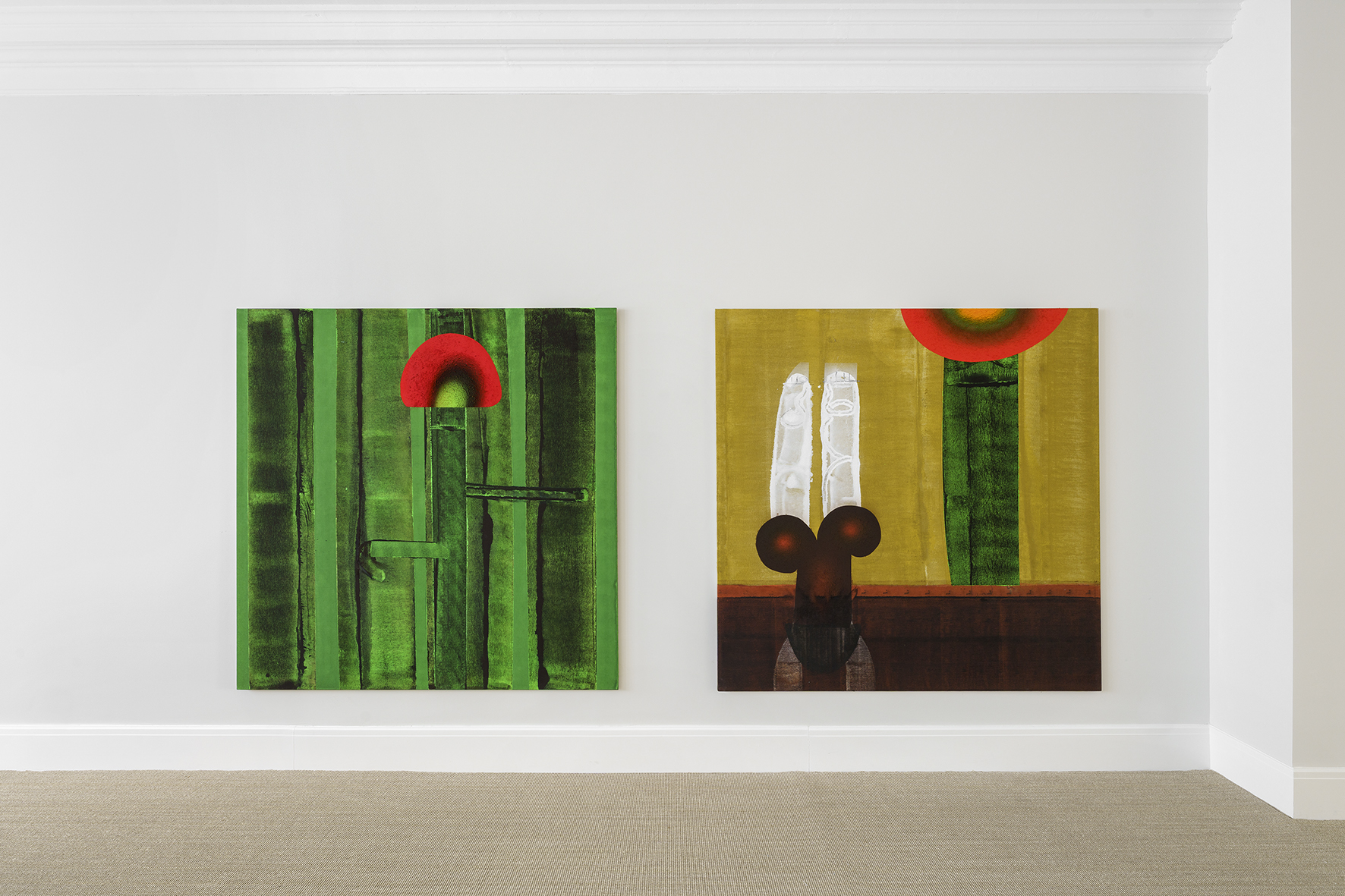
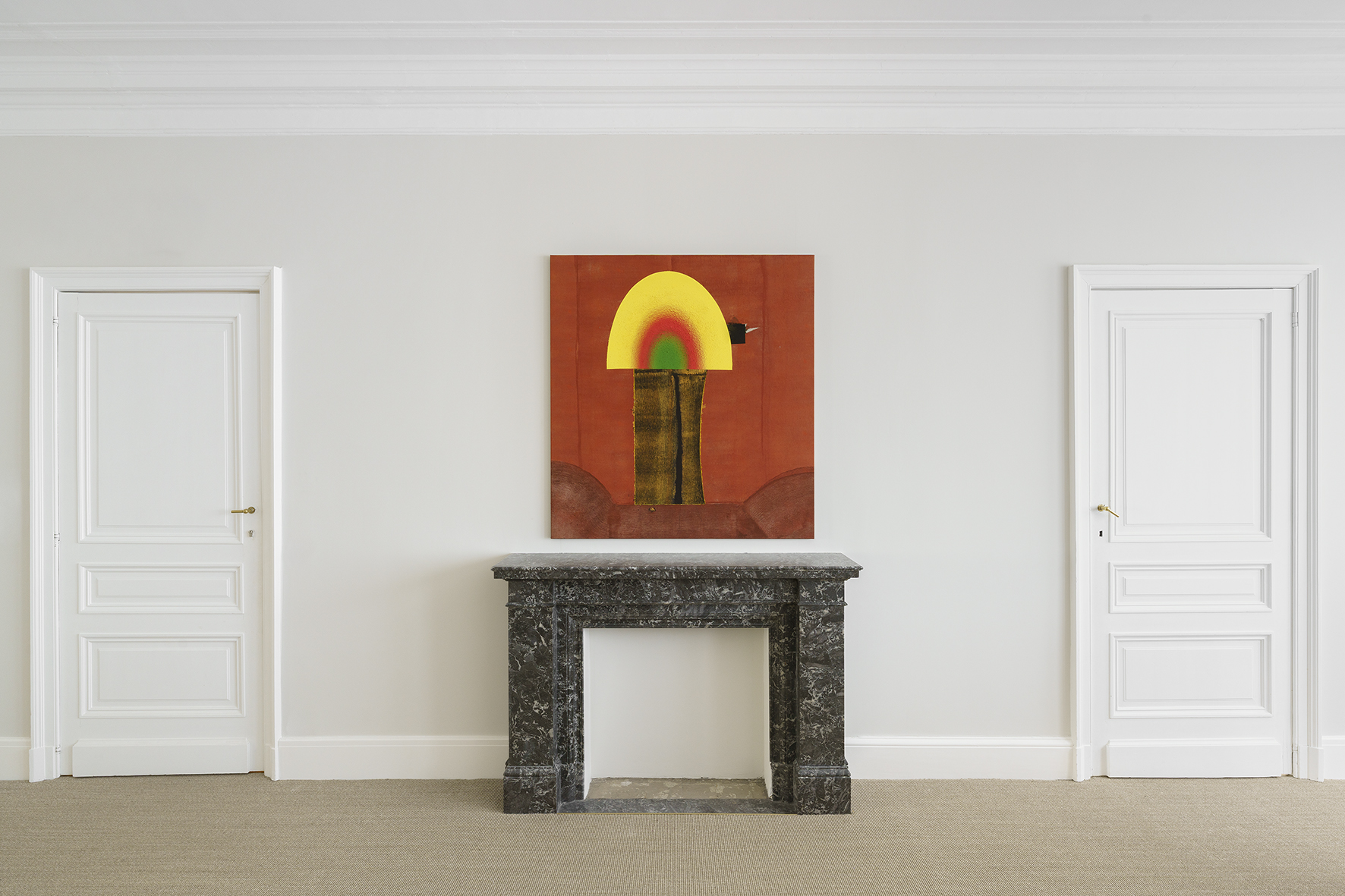
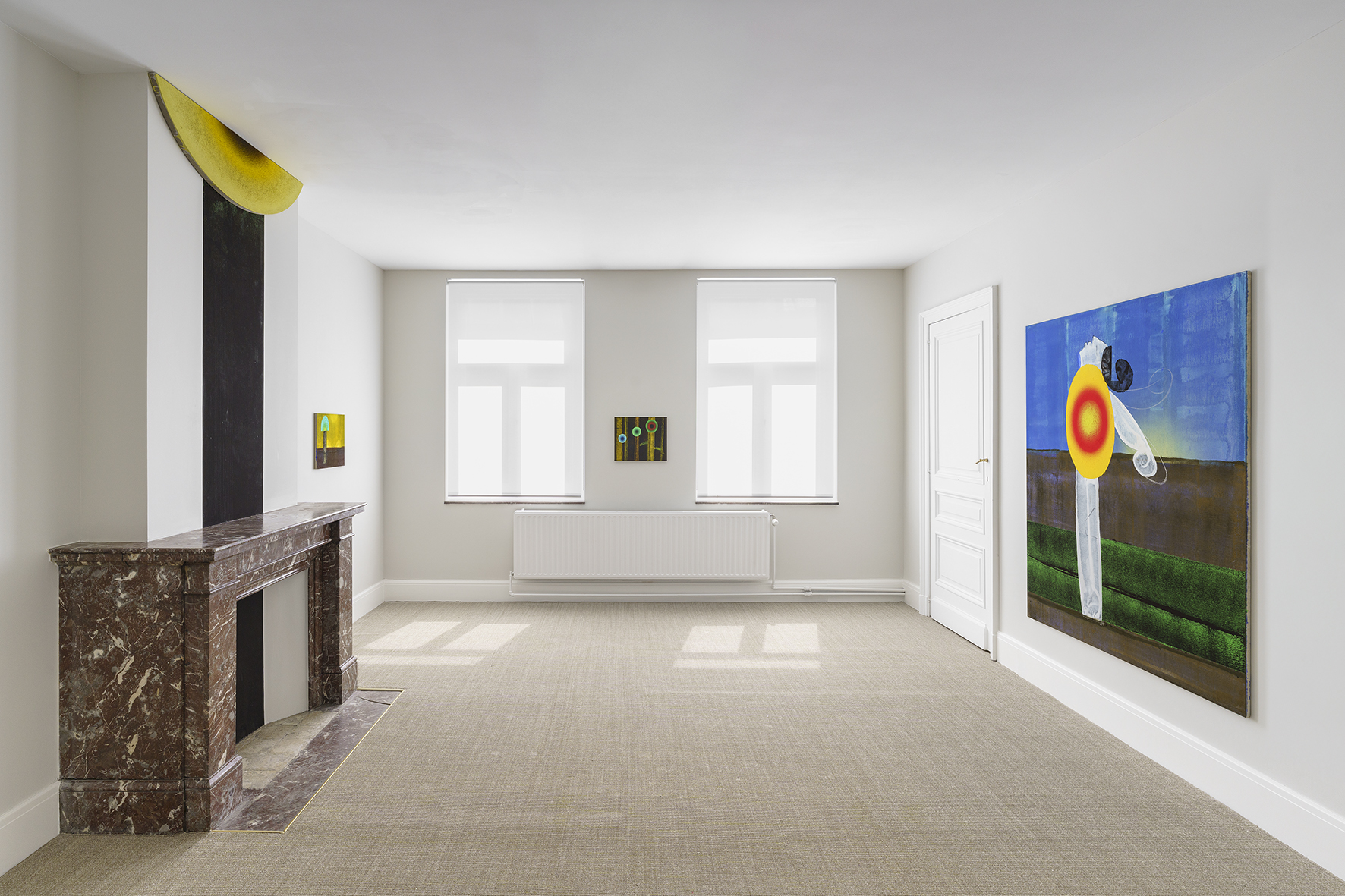
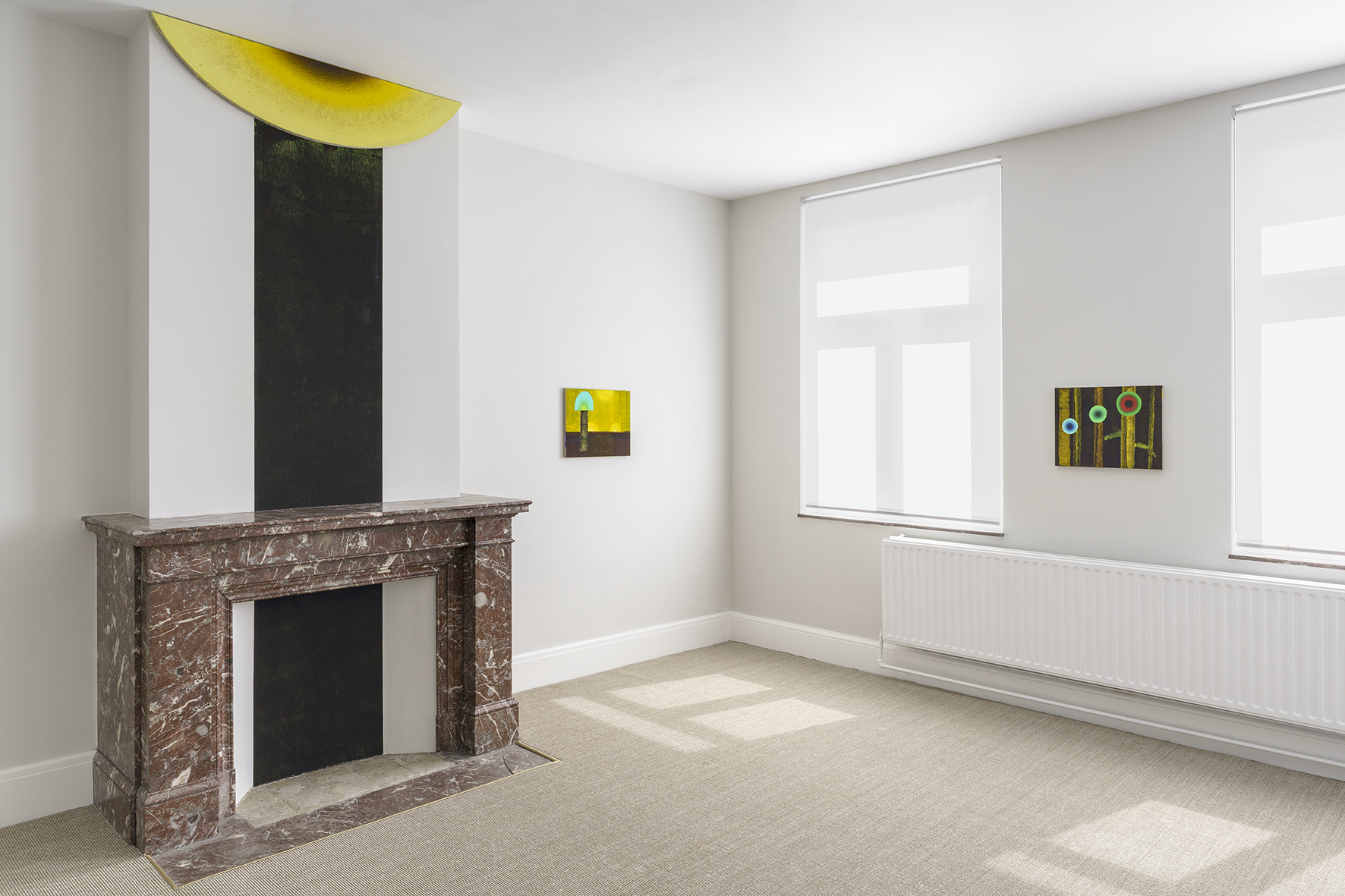
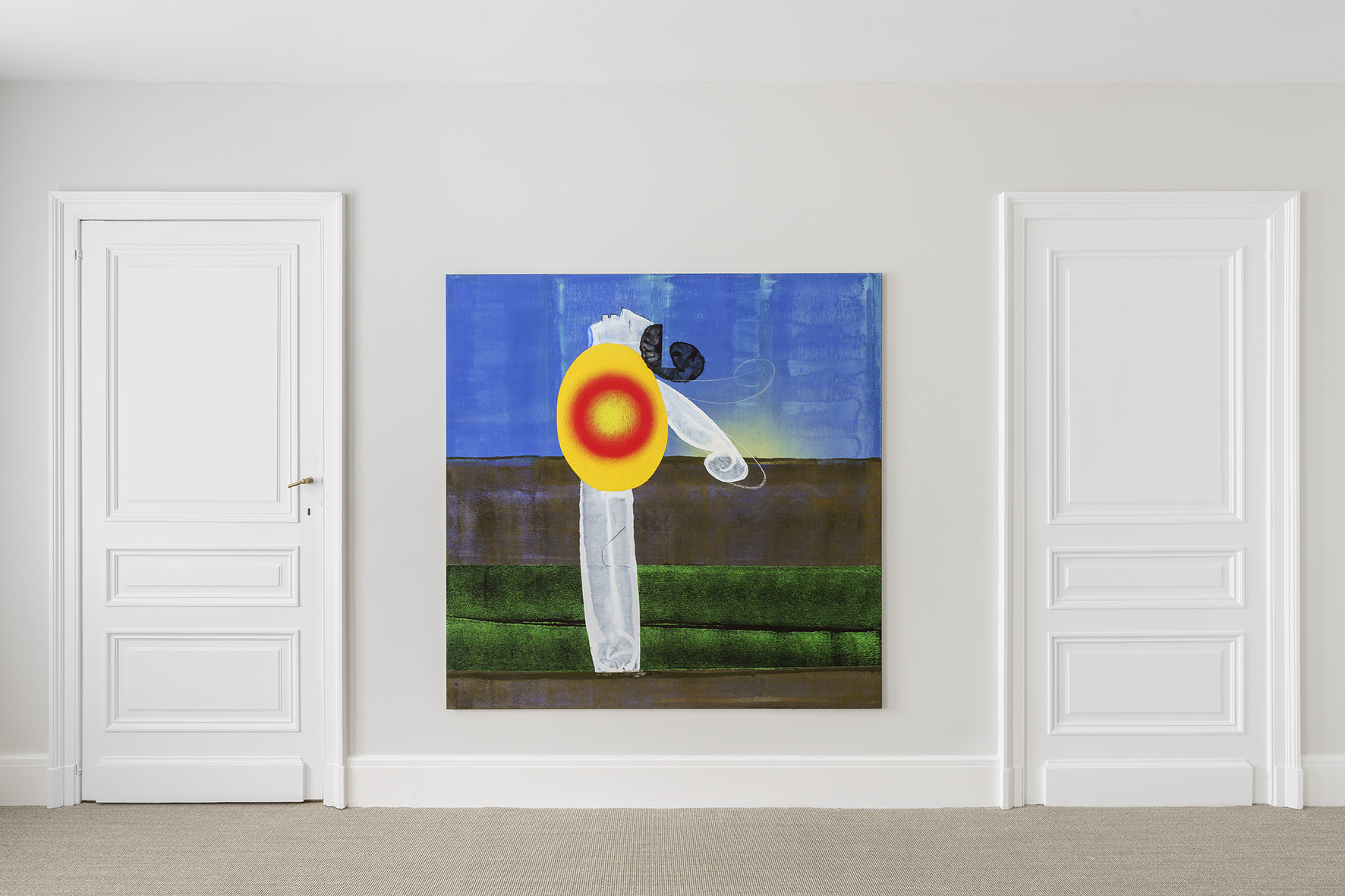
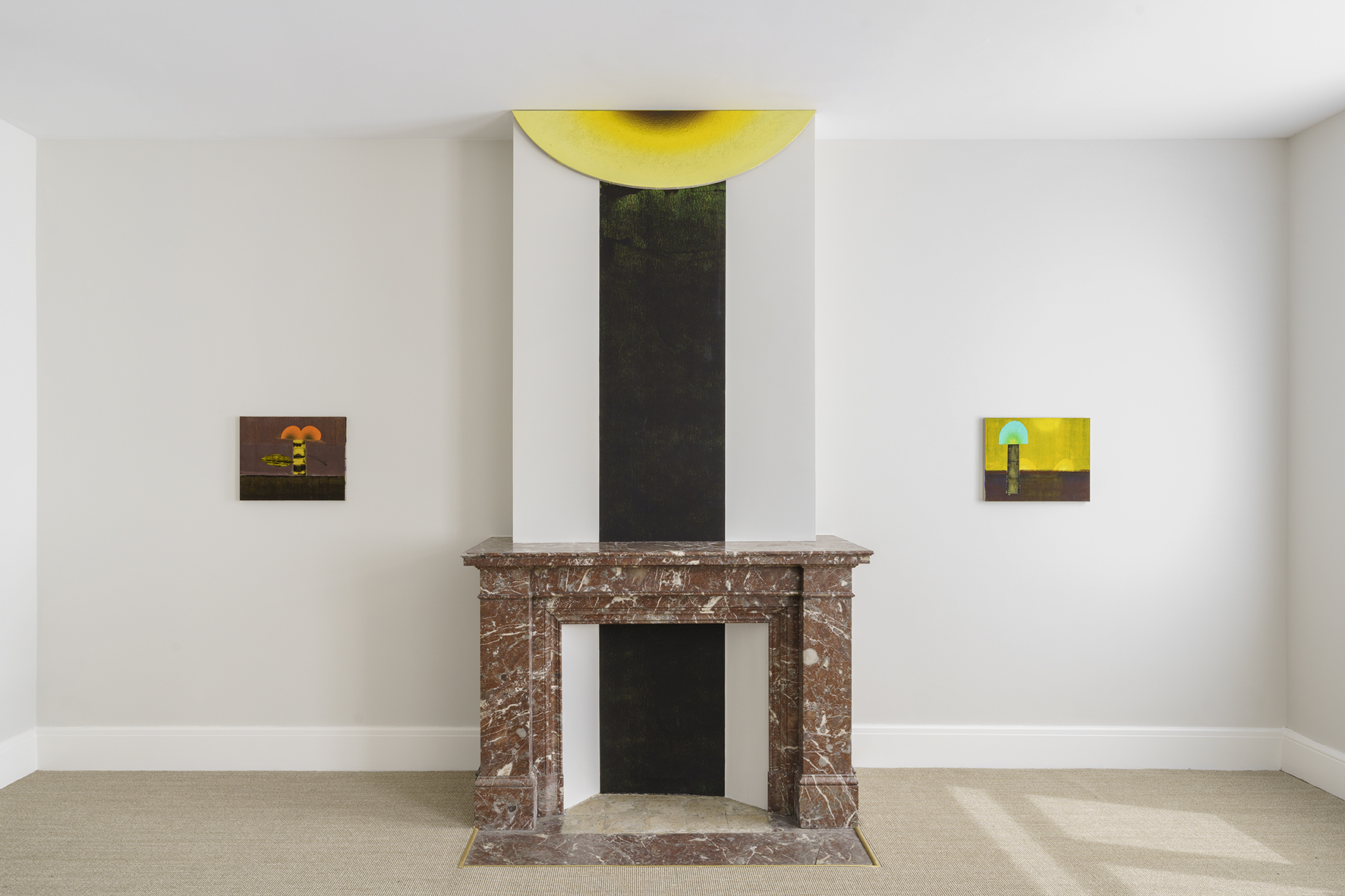
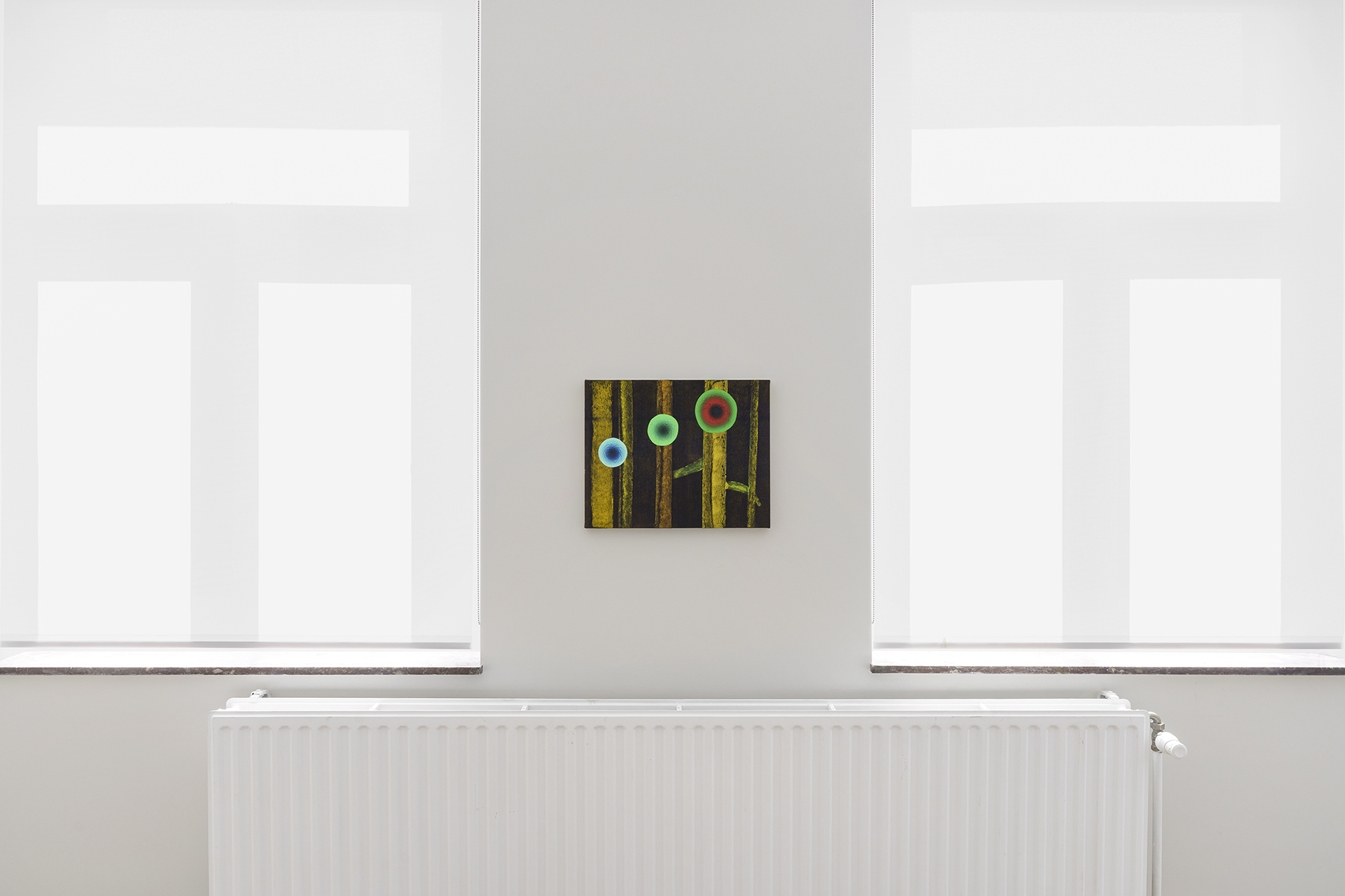
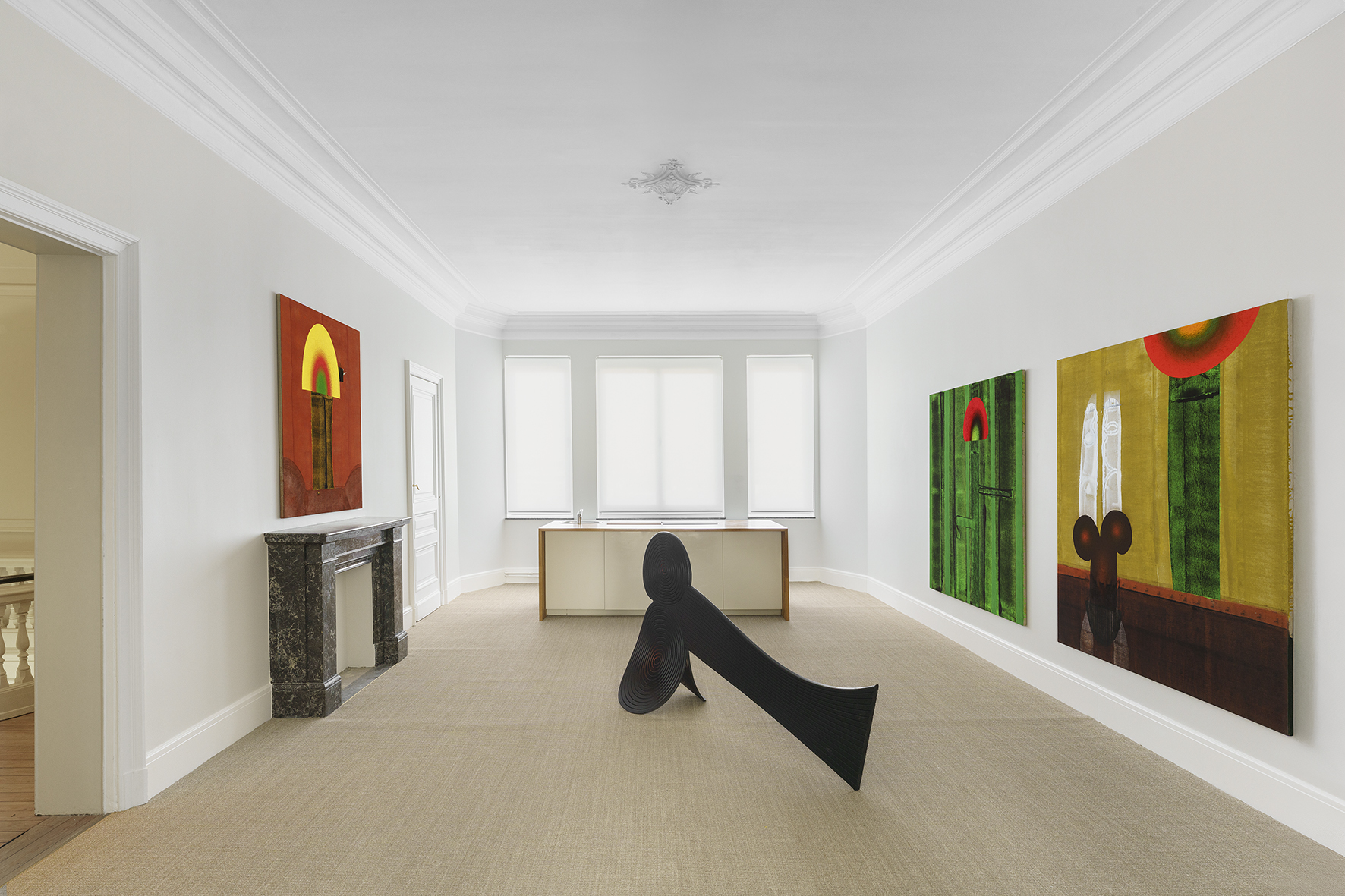
The paintings of Carlín Díaz exist between two worlds: the imaginary and the concrete, one volatile and the other subject to gravity. Populated by simplified forms and personal symbols — humans, plants, stars, trees, water — his works create a visual vocabulary in which each element shares its role with the others. Through their simplicity, these elements, whether figures or backgrounds, become vessels of energy. The sky is therefore just as important as the sun or the tree; every component contributes to an overall vibration.
Carlín Díaz grew up in Caracas, surrounded by the rhythm and energy of the city. At the age of fifteen, during a long hike with his family to the summit of a tepui in the Amazon, he had a transformative experience that left a lasting mark on him. At dawn, he discovered tabletop mountains emerging above the forest. Up there, he recalls that “everything seemed to belong to another world: light, air, vegetation, silence.” He is not trying to paint that memory, but the experience awakened something powerful within him.
What the artist seeks is not the reproduction of a landscape in the classical sense, but a world constructed from fragments. A world recomposed through memories, daydreams, and also through his experience as a man living in a fast, technological, and tense urban environment. This paradox defines him. And yet, when he paints, he turns toward something else: a space inhabited by vibrating forms that carry their own interiority, whether human or non-human. His aim is not to paint an image of reality, but a projection — a fictional yet vital world that comes from within him and that he wants to see exist. A world in which the non-human seems to exist beyond its physical properties, where energy emanates from matter.
Carlín Díaz seeks to create moments in which the invisible becomes tangible, where the energy of an instant or an object seems to vibrate intensely. He paints in order to relive these sensations, to come closer to them, and to regenerate, again and again, the emotions they provoke — a way of making an inner experience tangible.
Within his painterly language, space is inhabited by multiple forms of vitality, where the human is no longer the measure of all things, but merely one presence among others — human, vegetal, hybrid. The figures that populate his works are not there to illustrate an idea, but to embody a connection: they emerge from a gaze, from a sensitive projection, sometimes from a silent conversation.
This world has lived within him for a long time. It is nourished by recollections, sensations, and reveries. Through painting, he seeks to give it form, so that he may finally see it.
And he stops painting when he feels that vibration.