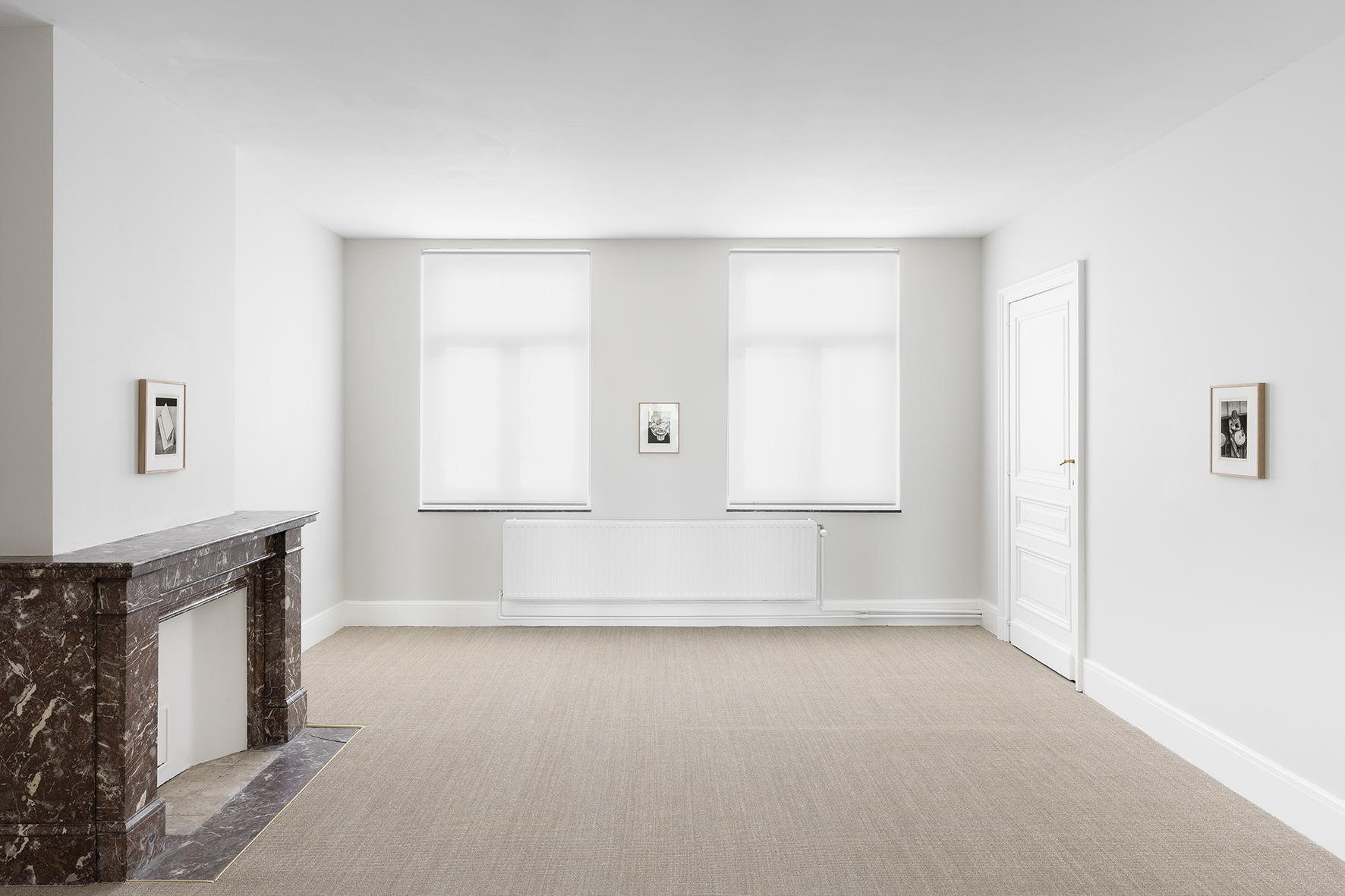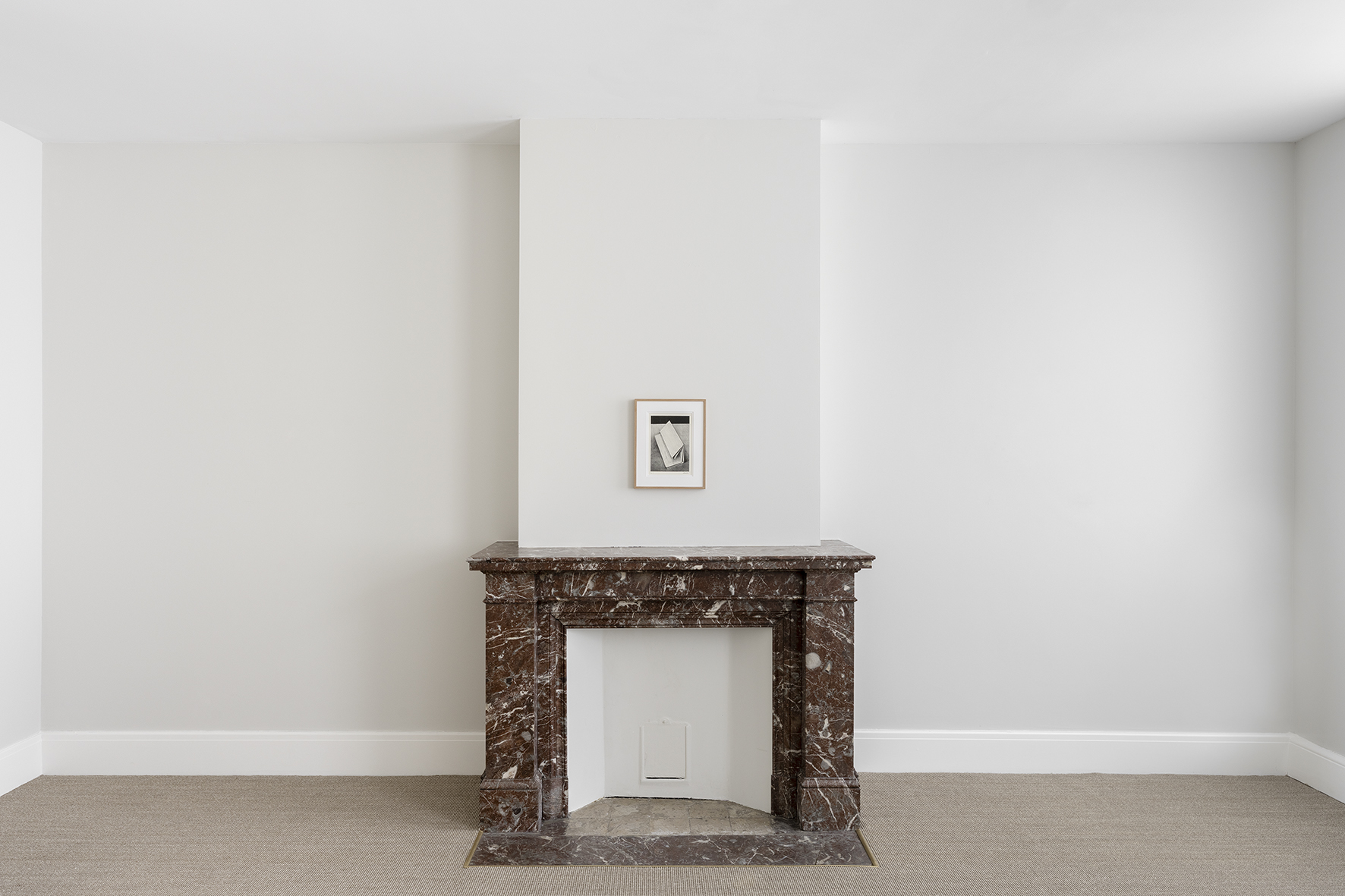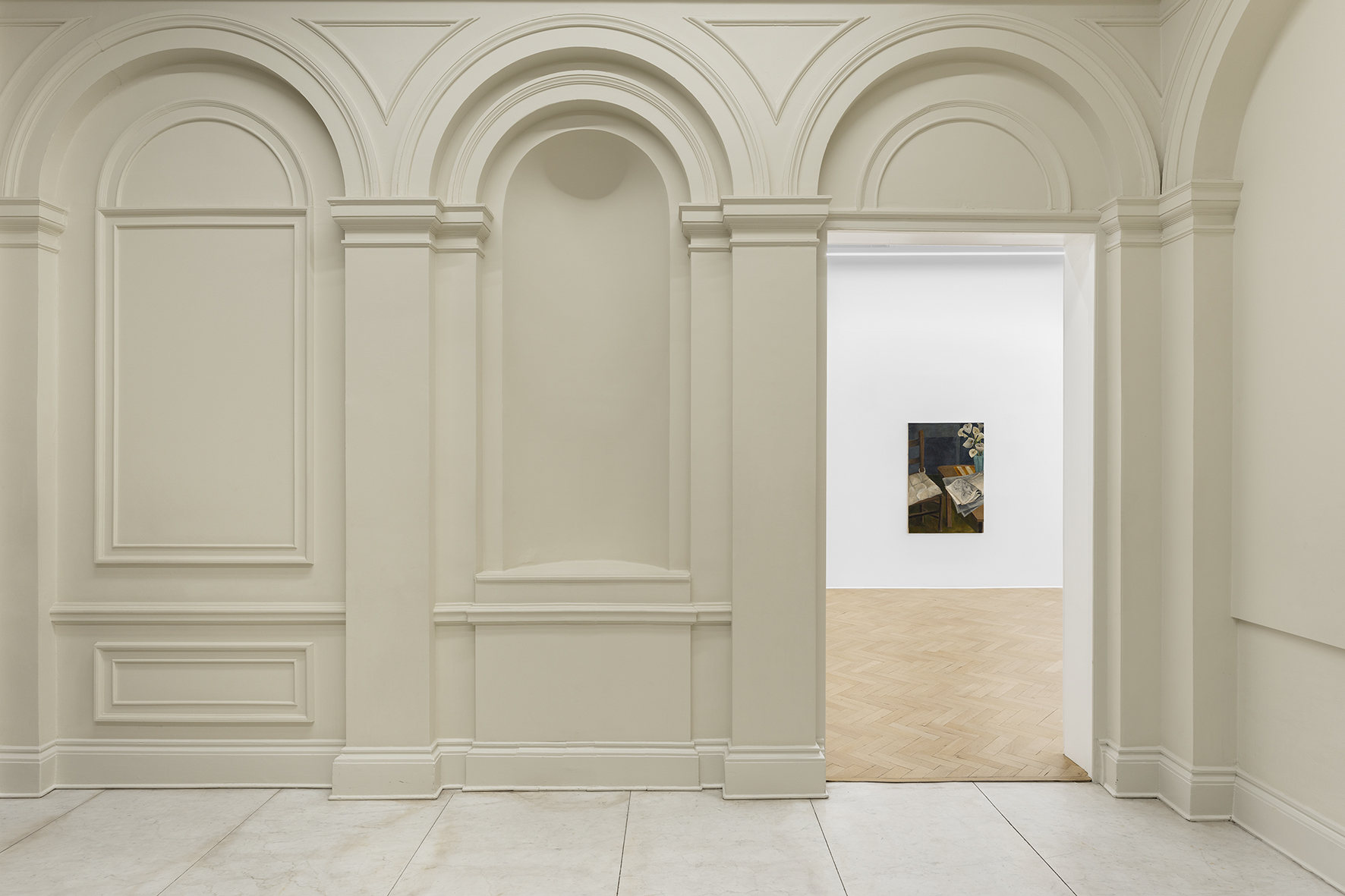
About
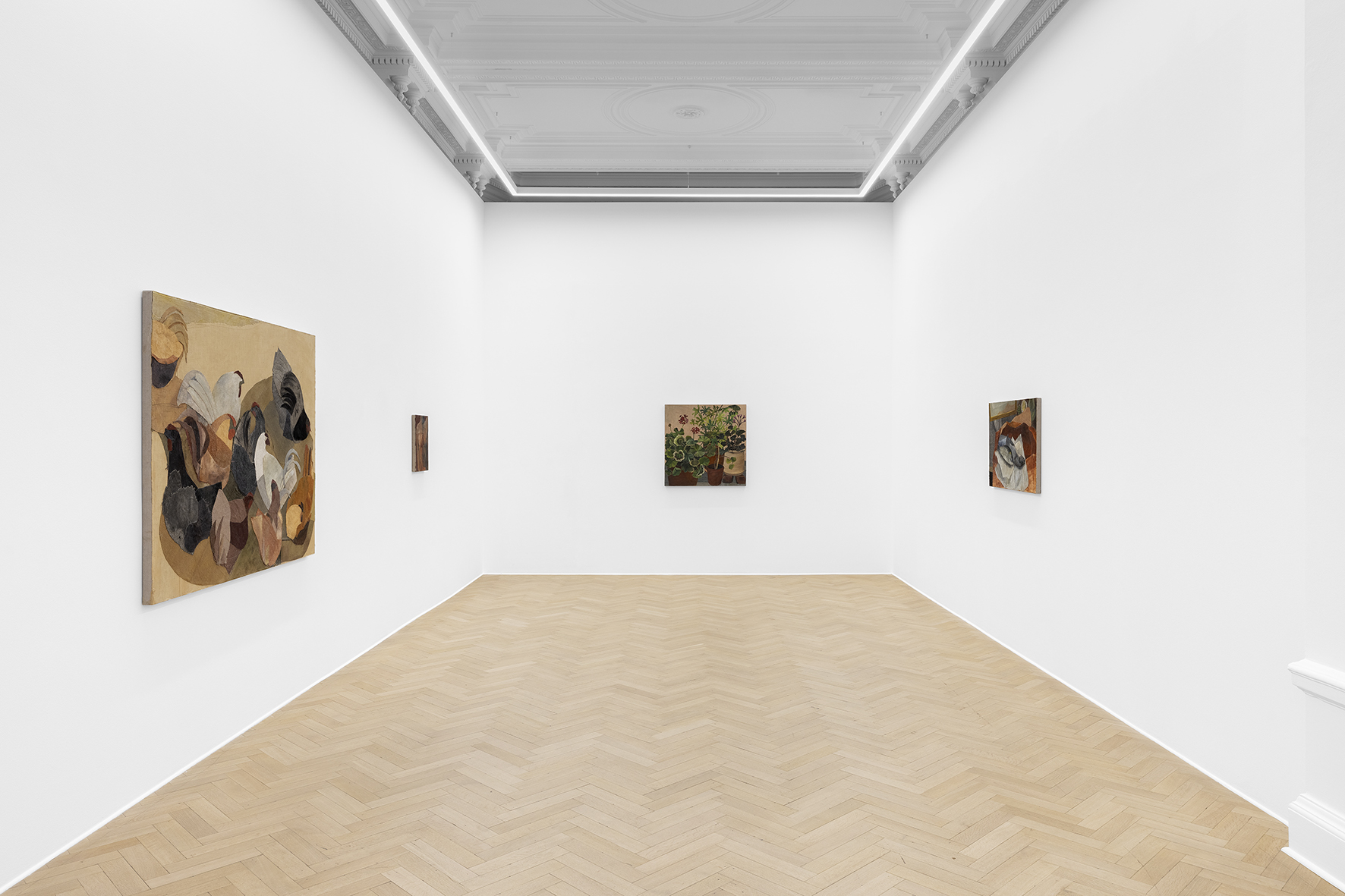
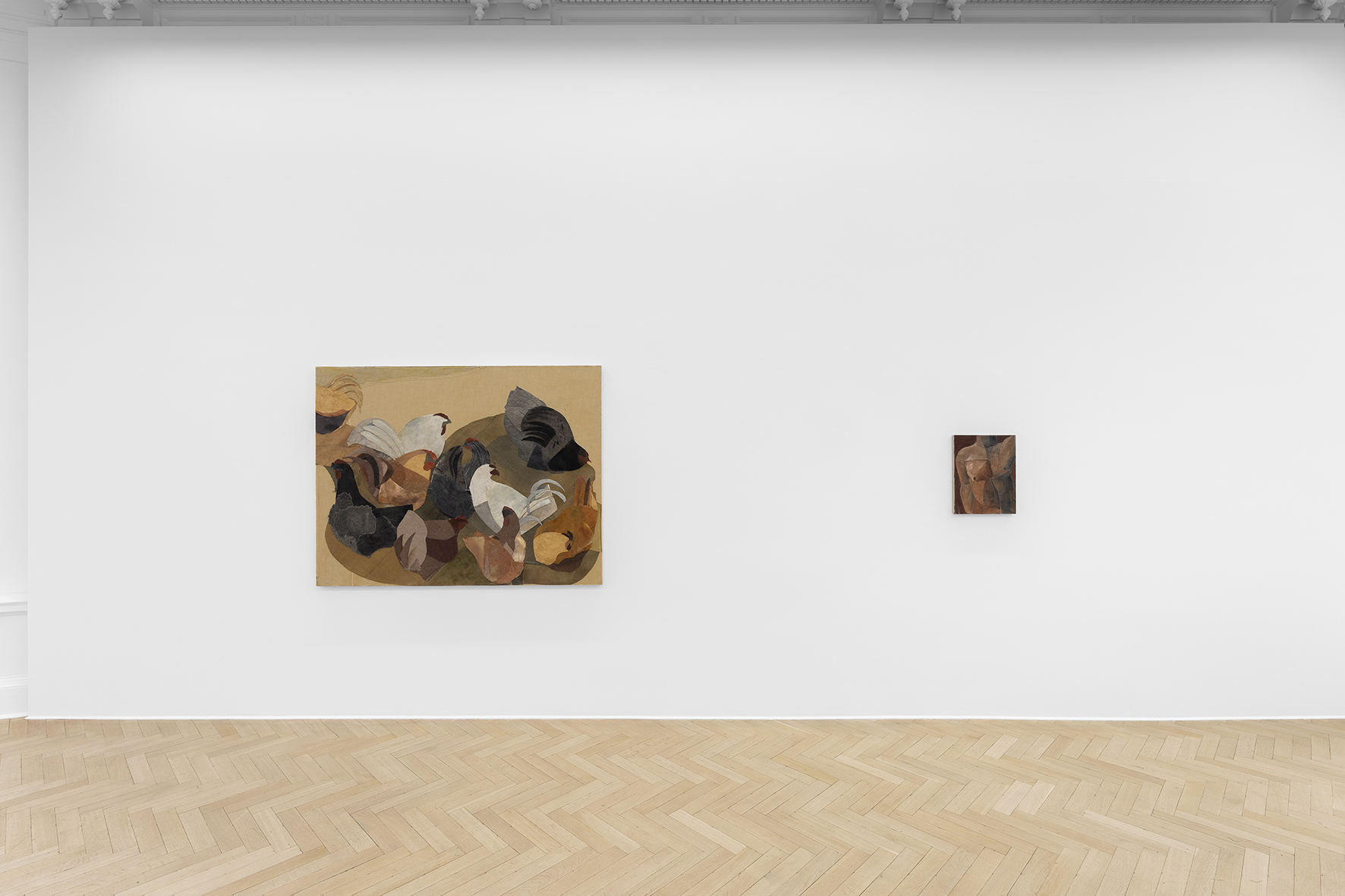
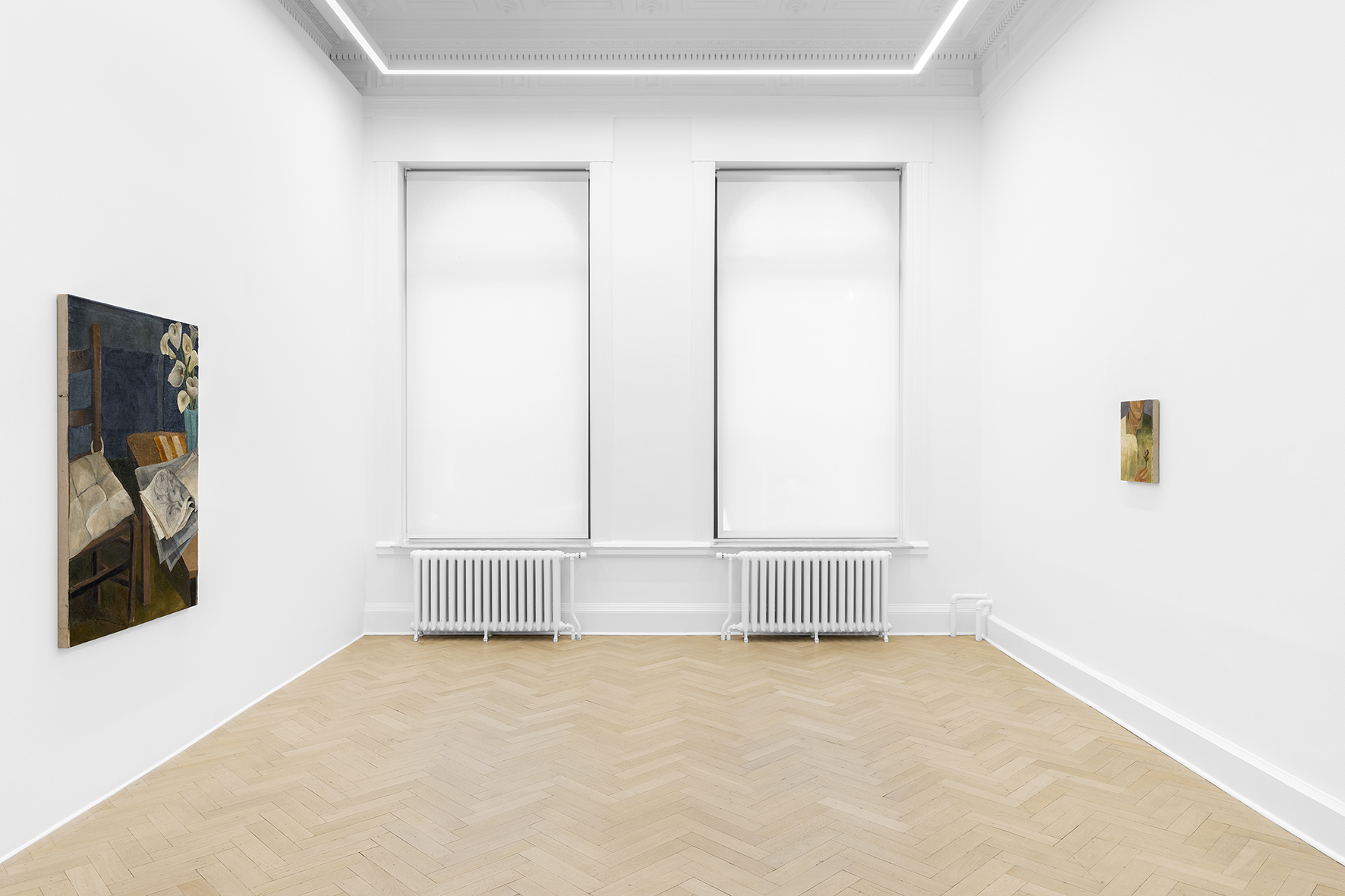
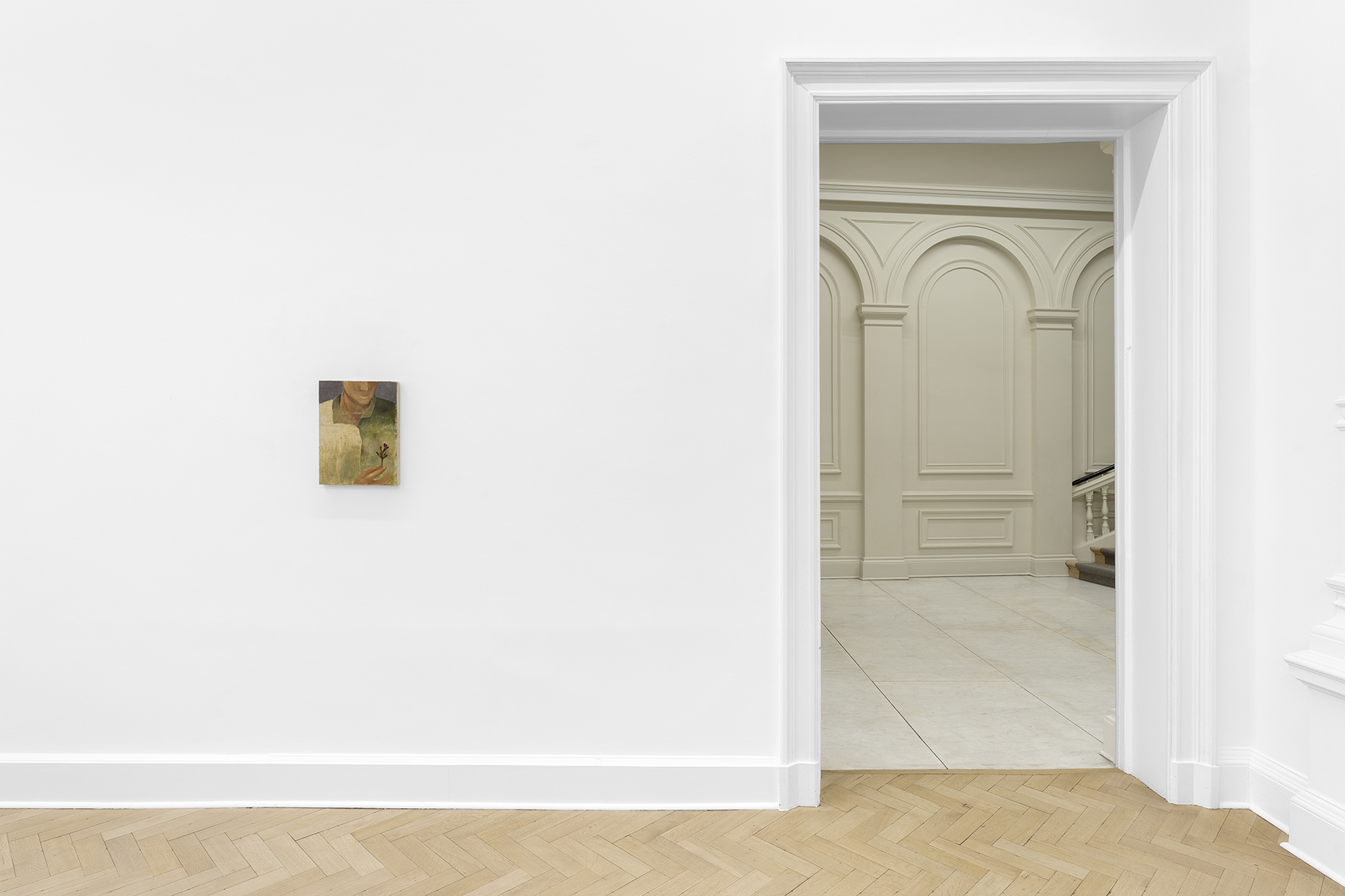
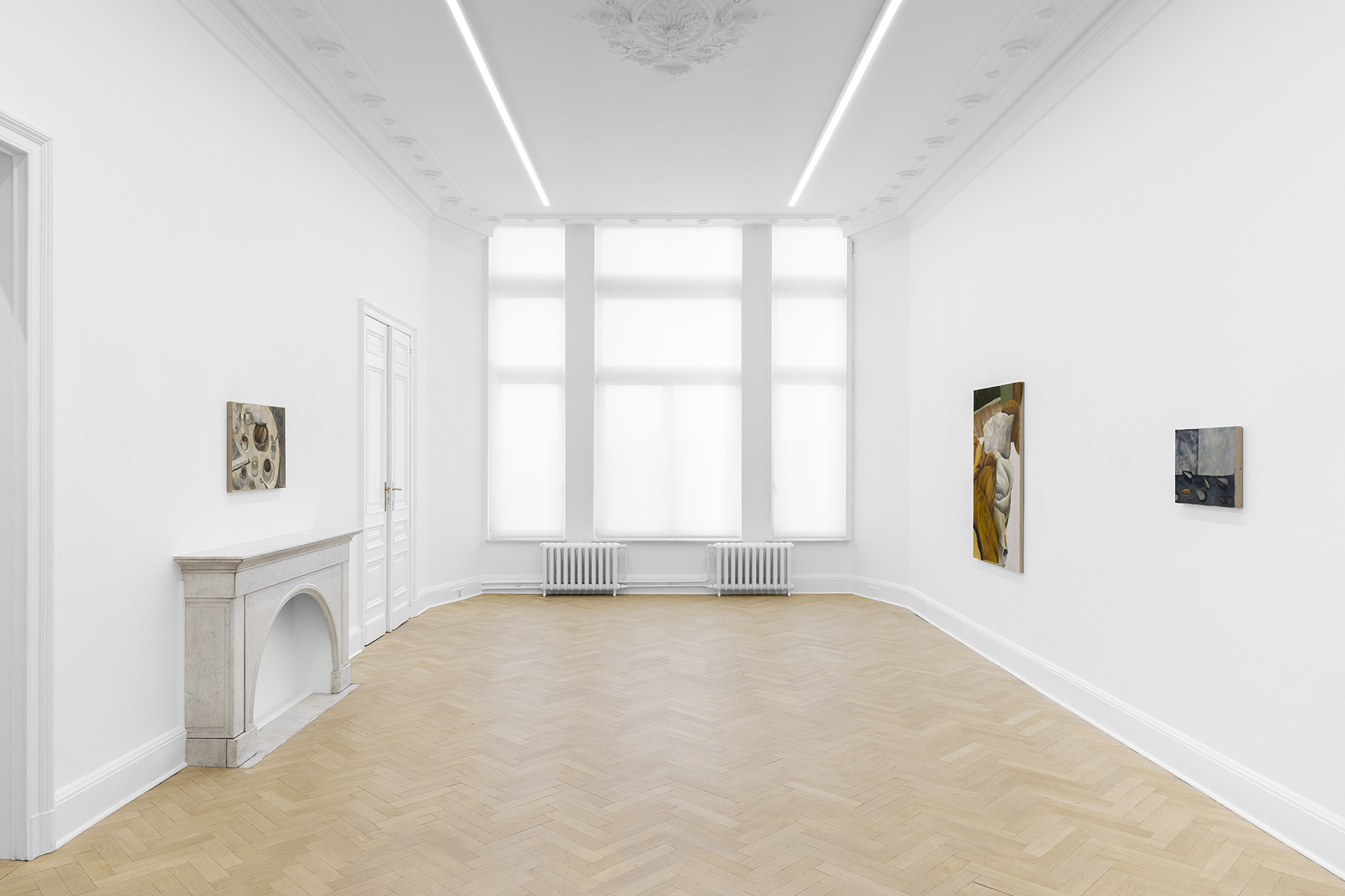
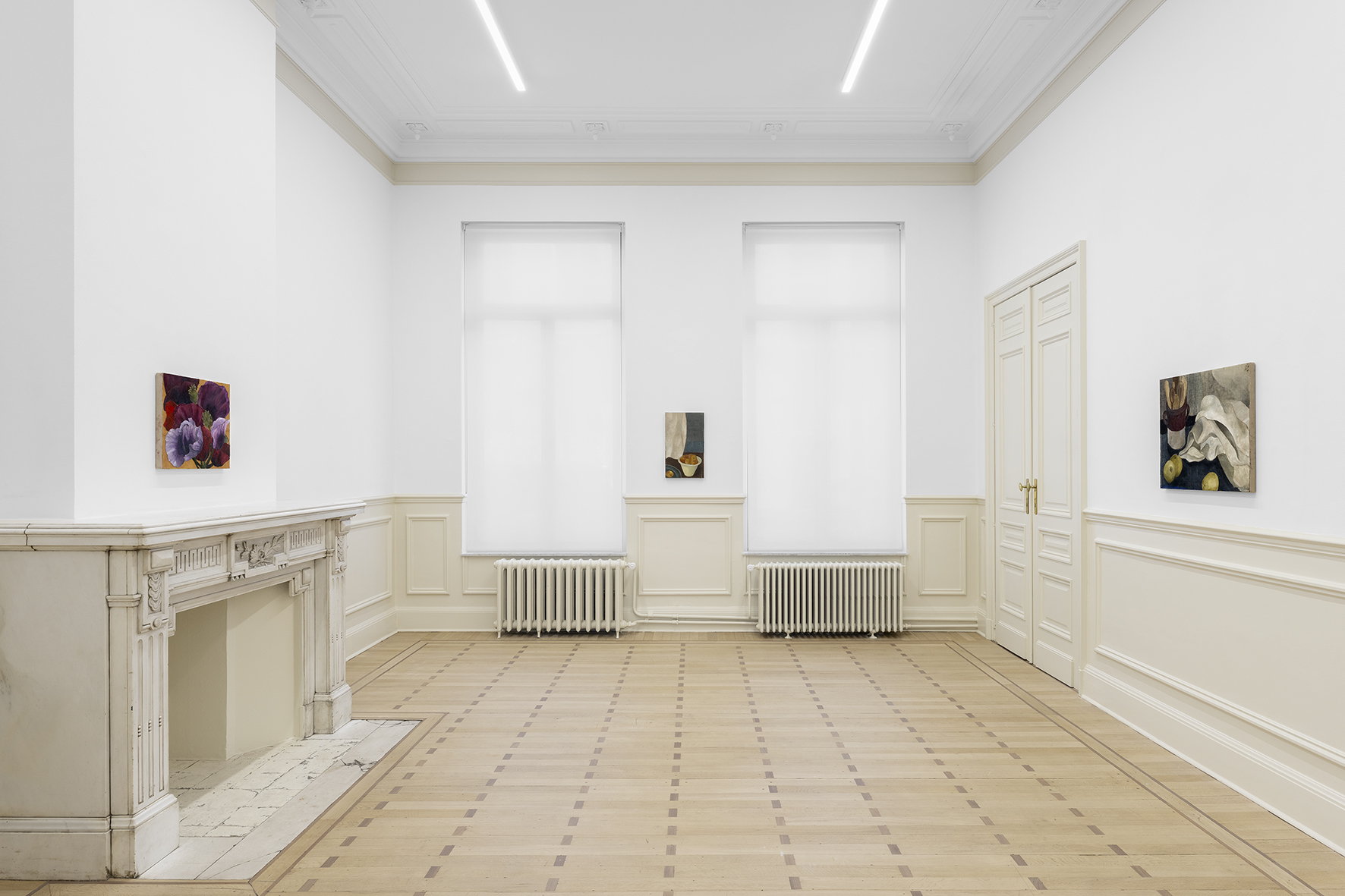
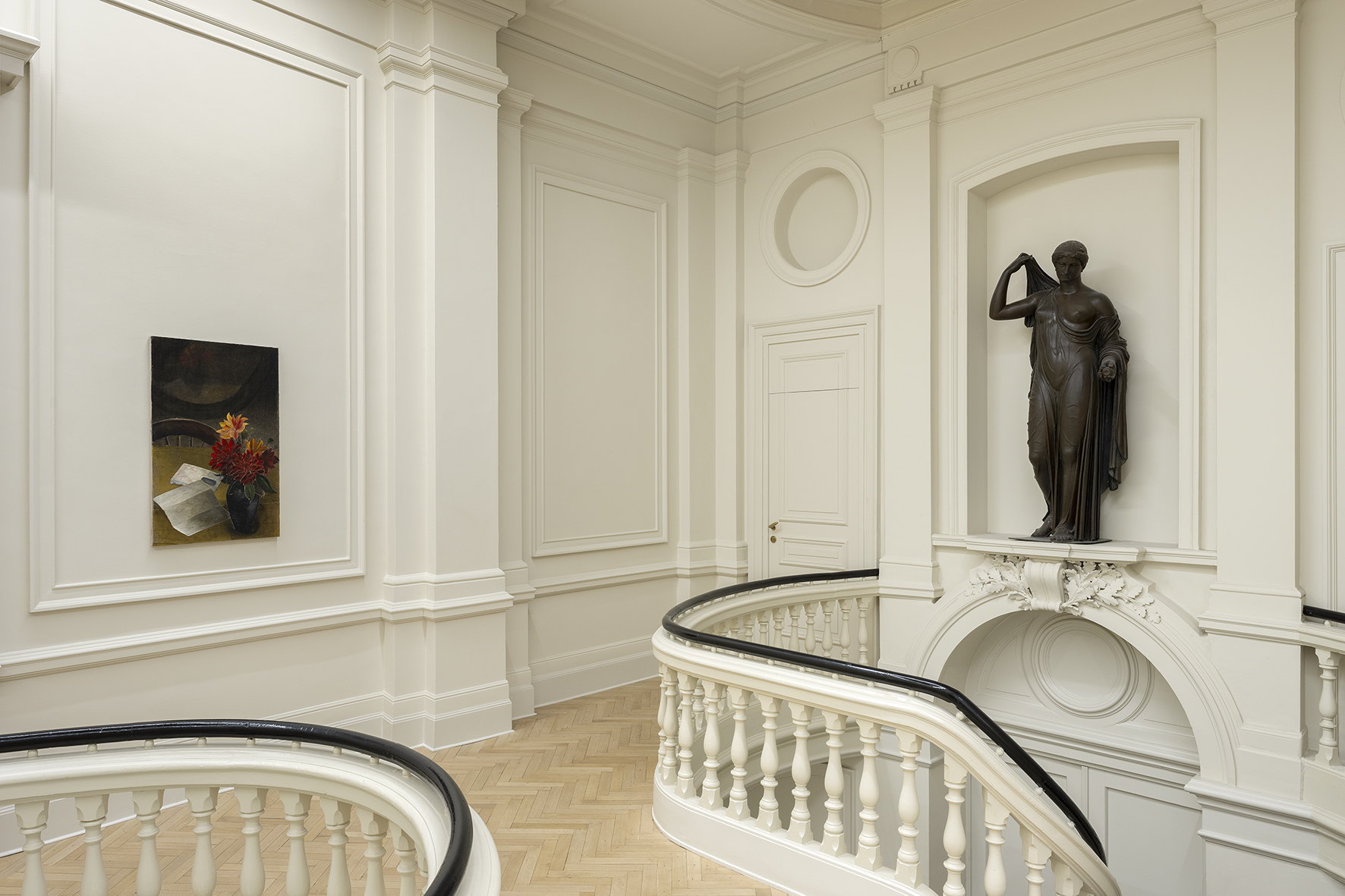
Alessandro Teoldi’s practice is an in-depth reflection on the process of collage. New works are constructed layer by layer, beginning with a composition often drawn from art historical references such as Conrad Marca-Relli, Nancy Grossman or Italian modernism. These new works have expanded Teoldi’s lexicon of textiles and stitches to incorporate stains, painting and drawing. They have become richer through a new tension between mediums, combining for the first time collage with painting,
paper with textile, building sophisticated surfaces through drawing and cutting. Oil paint, charcoal, graphite, paper, fabric, acrylic, gouache, pastels, acrylic medium and ink meld in these new assemblages. His dual identity as an Italian and American artist lends another parallel element to Teoldi’s research regarding home, displacement, and dual identity. Often cited in geographically specific landscape or gestures in figurative imagery that are focused on communion or loneliness, his images are caught between the voyage and the domestic. Teoldi also addresses his relationship with
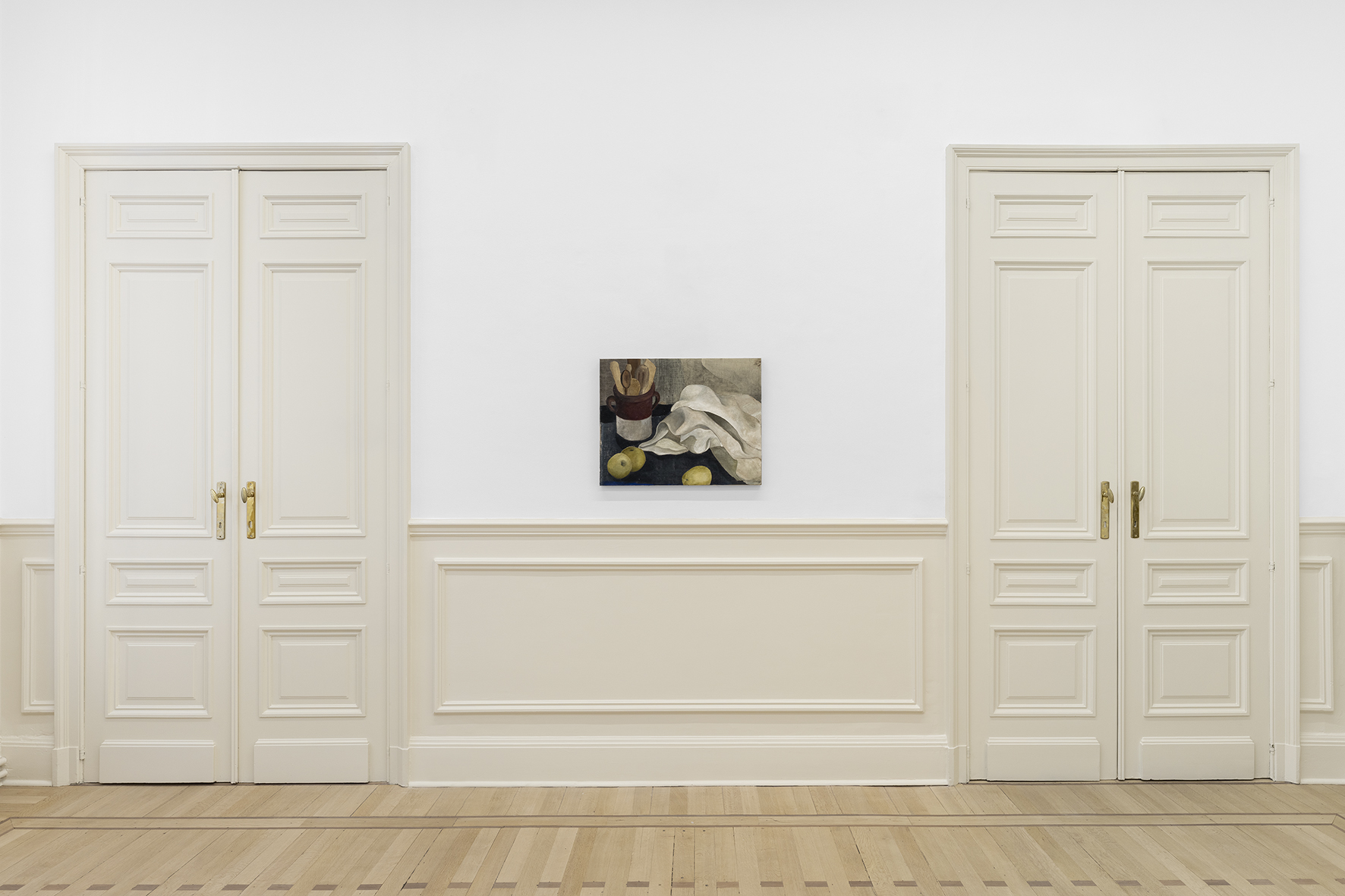
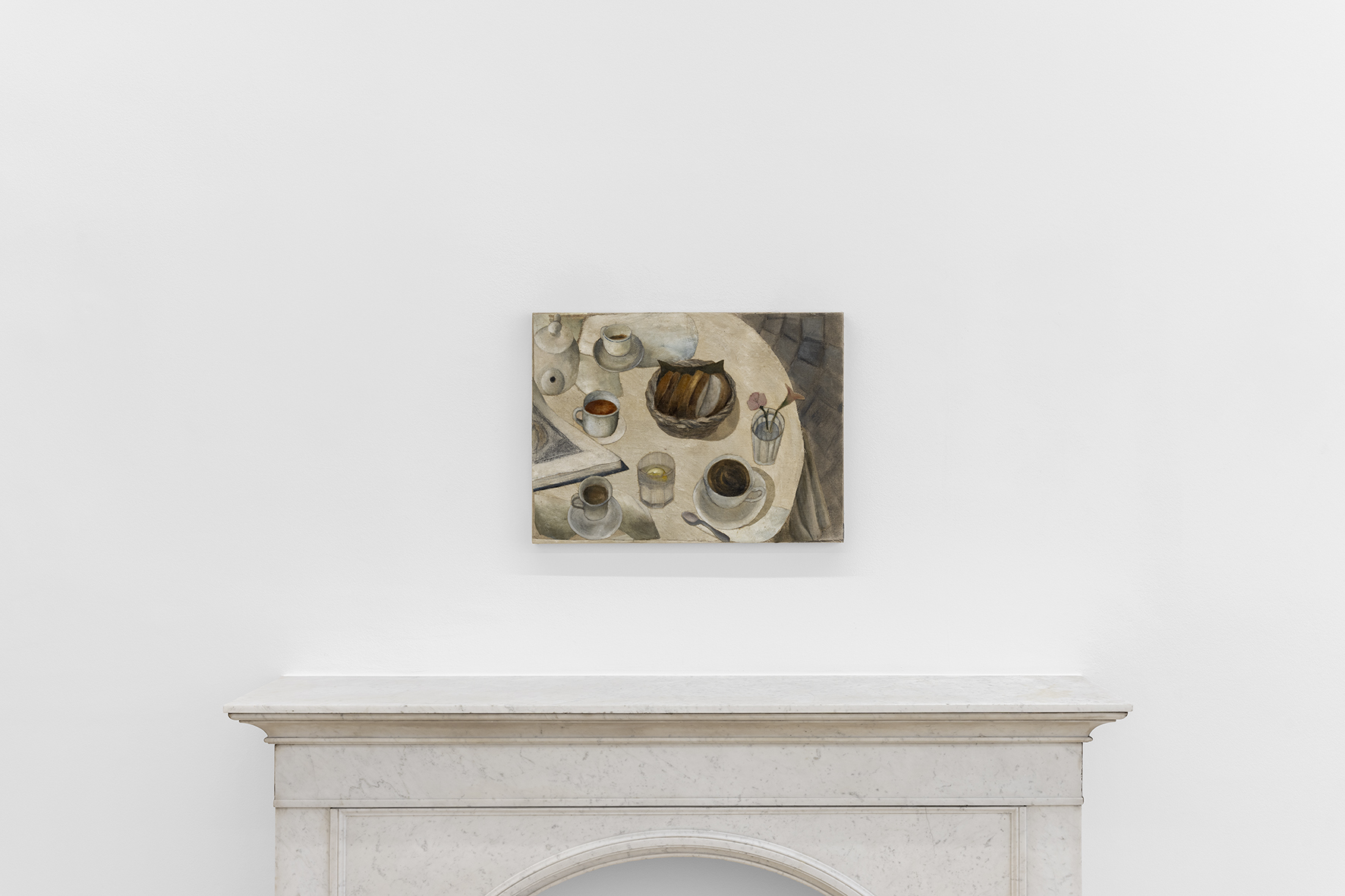
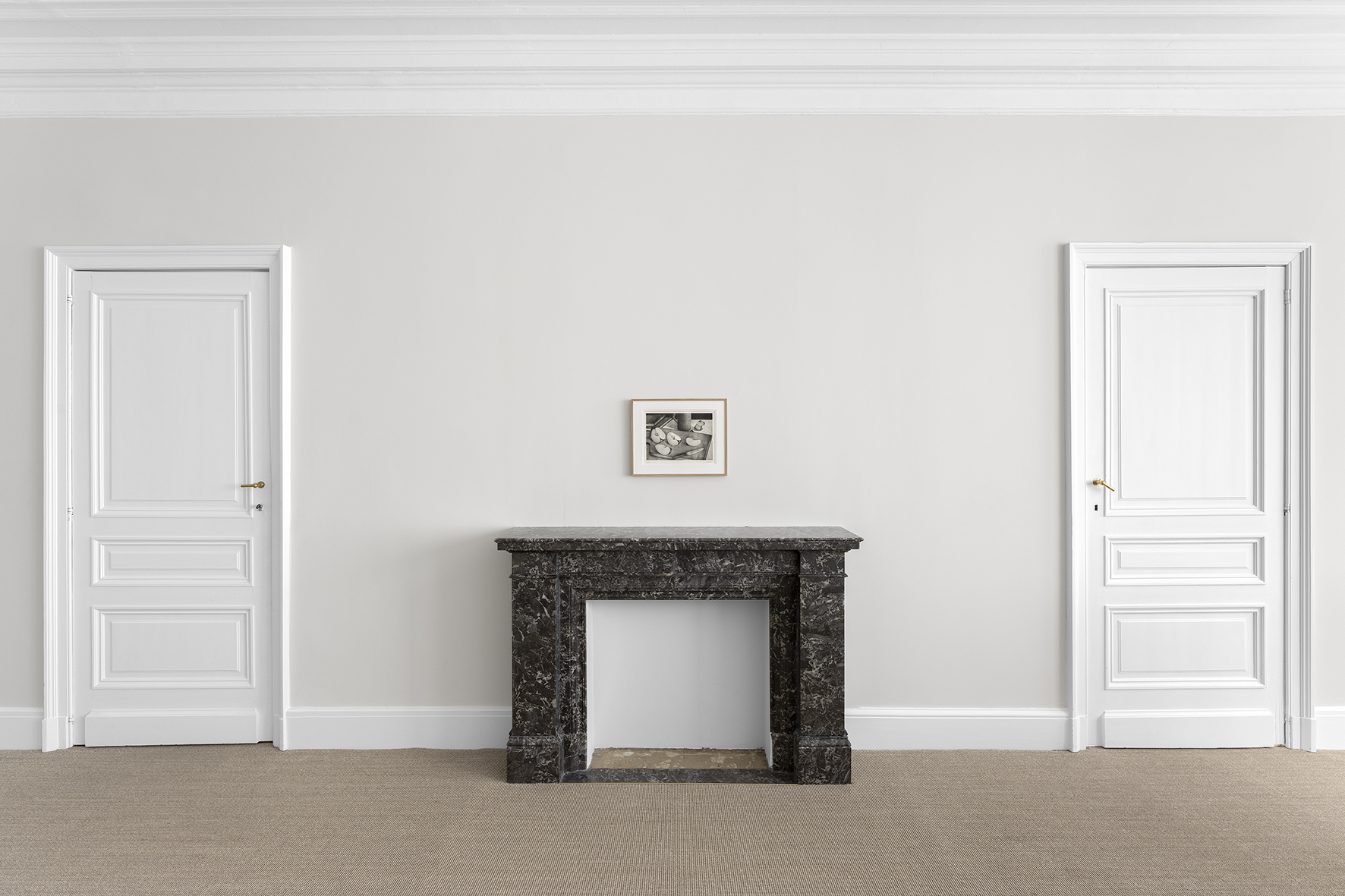
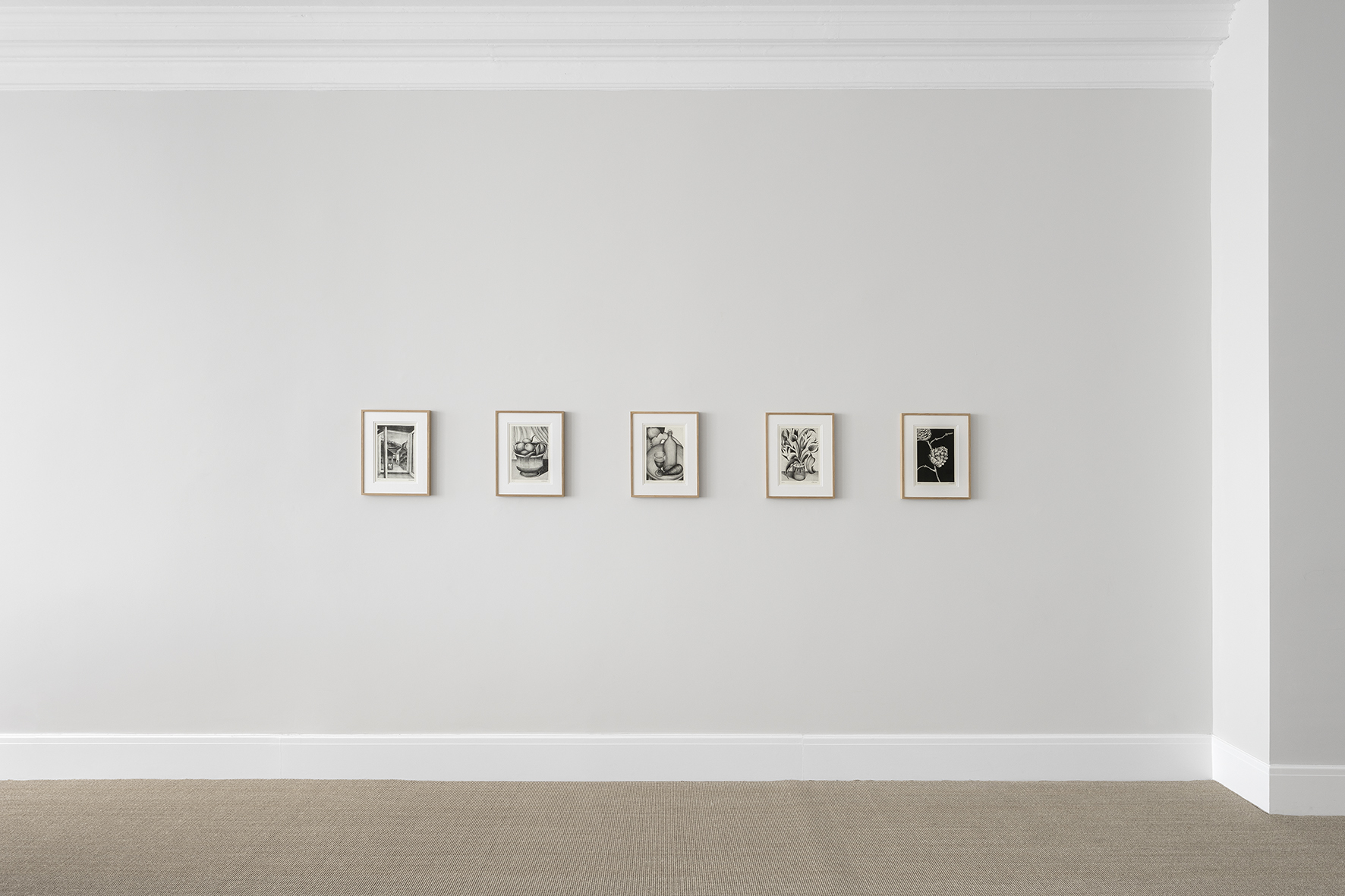
Italian painting by referencing the compositions of Giorgio Morandi, Felice Casorati and Mario Sironi. Teoldi’s reverence for these celebrated Italian painters is complicated by his use of fabric and paper, creating new venues in which we understand how craft traditions and painting continue to collide today.
Mousse magazine
WHERE THE SMALL THINGS ARE
In the clear, incisive light of his New York studio, Italian artist Alessandro Teoldi observes the façades of skyscrapers that define the American urban landscape. Building silhouettes, finely drawn windows, and openings obscured by curtains suggest the domestic spaces concealed behind them, where everyday activities unfold beyond view.
Alessandro Teoldi’s work explores the notion of interiority, both as a personal condition and as a broader reflection on domestic space. The painted fabric fragments that compose his works present intimate spaces and moments of transition, tracing shifts between different times, activities, and states of presence and absence.
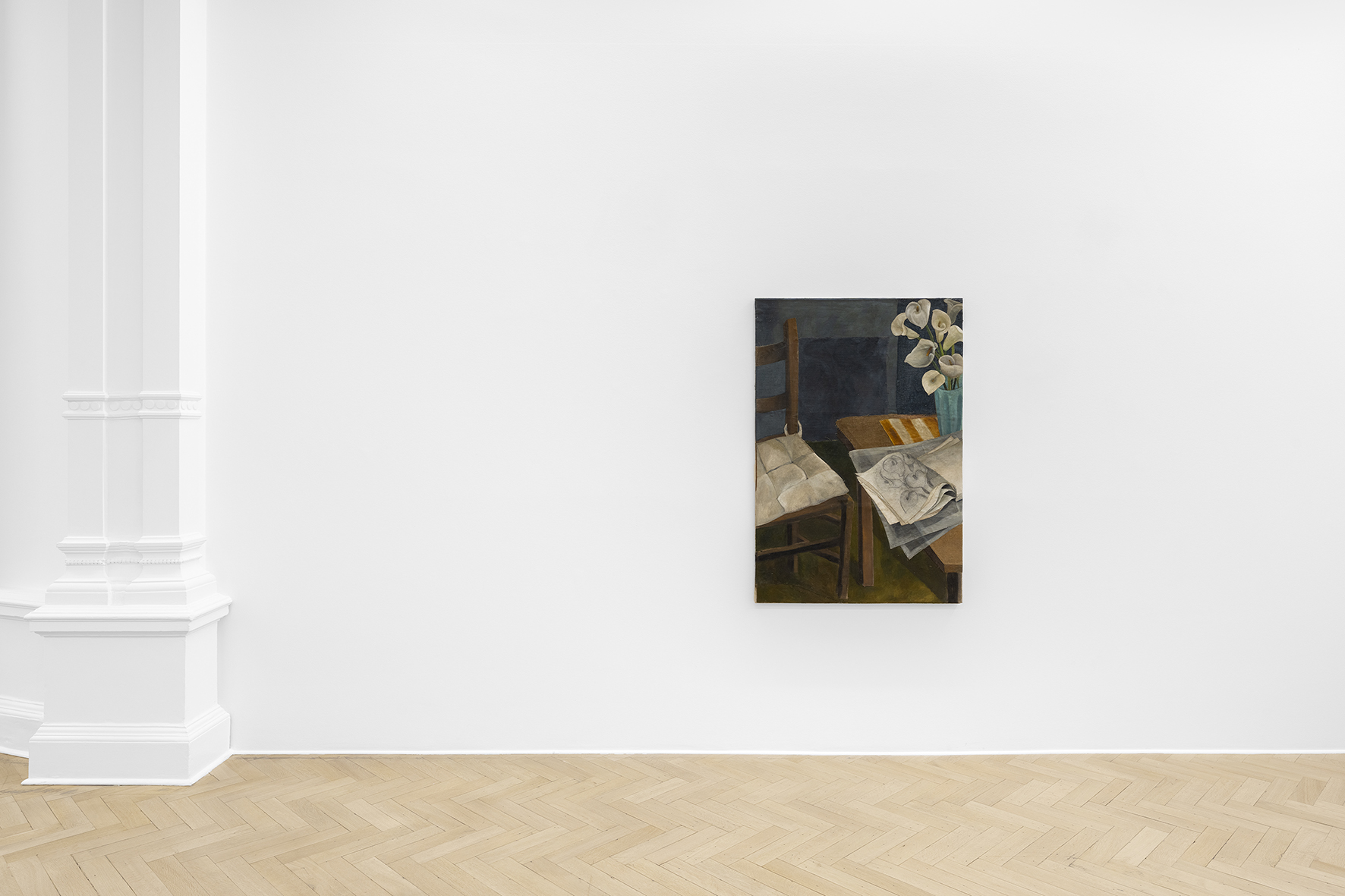
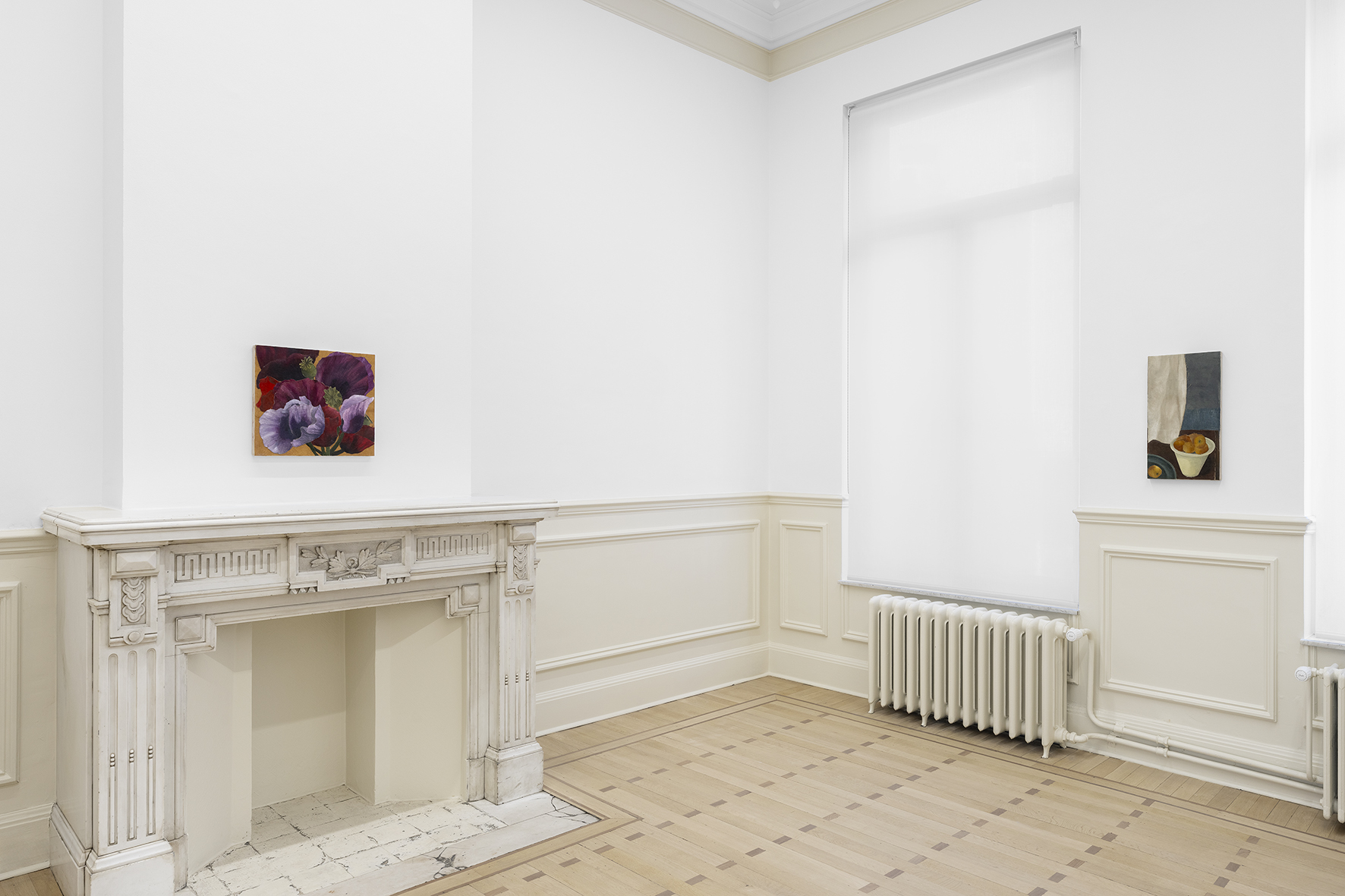
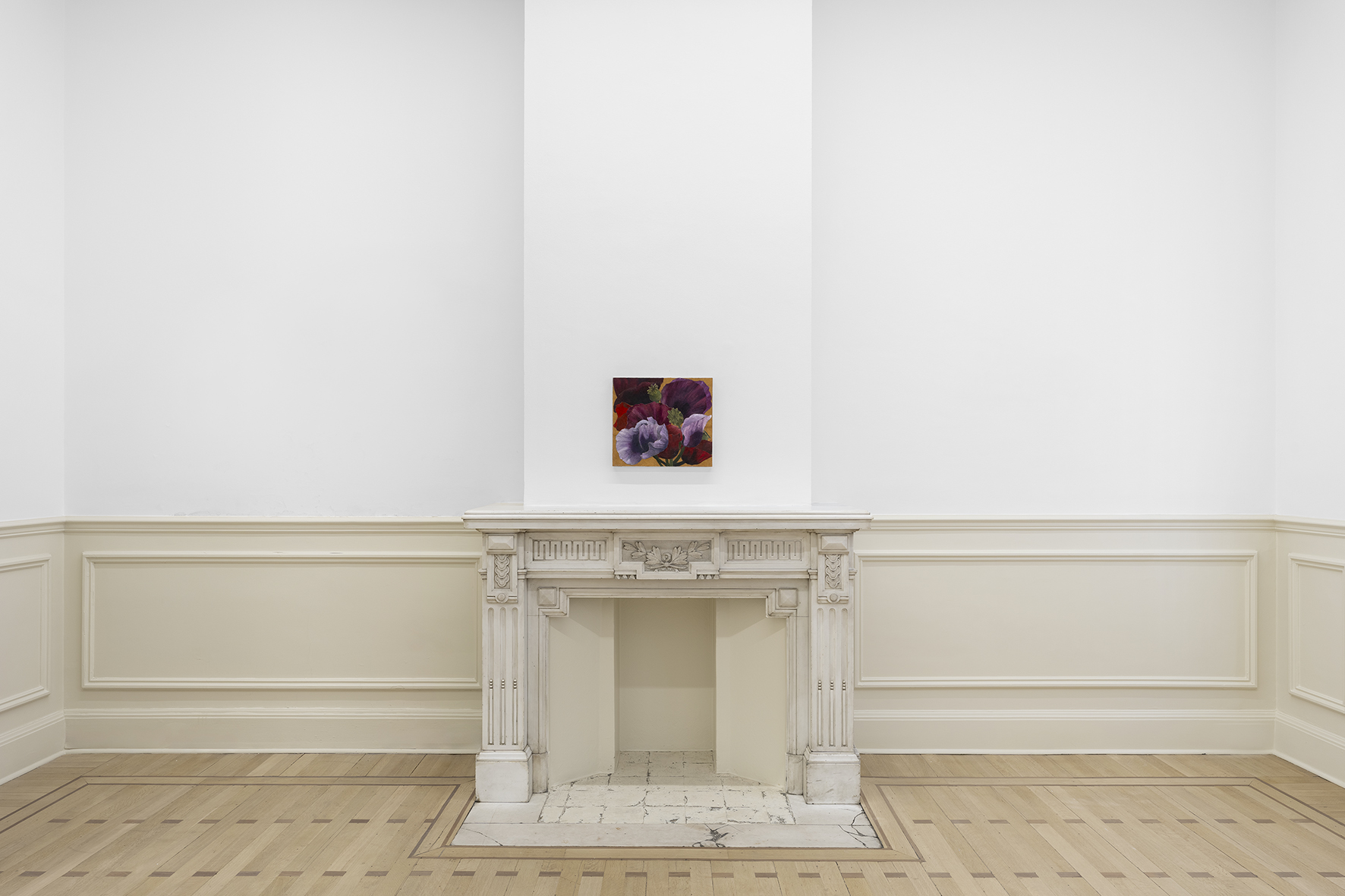
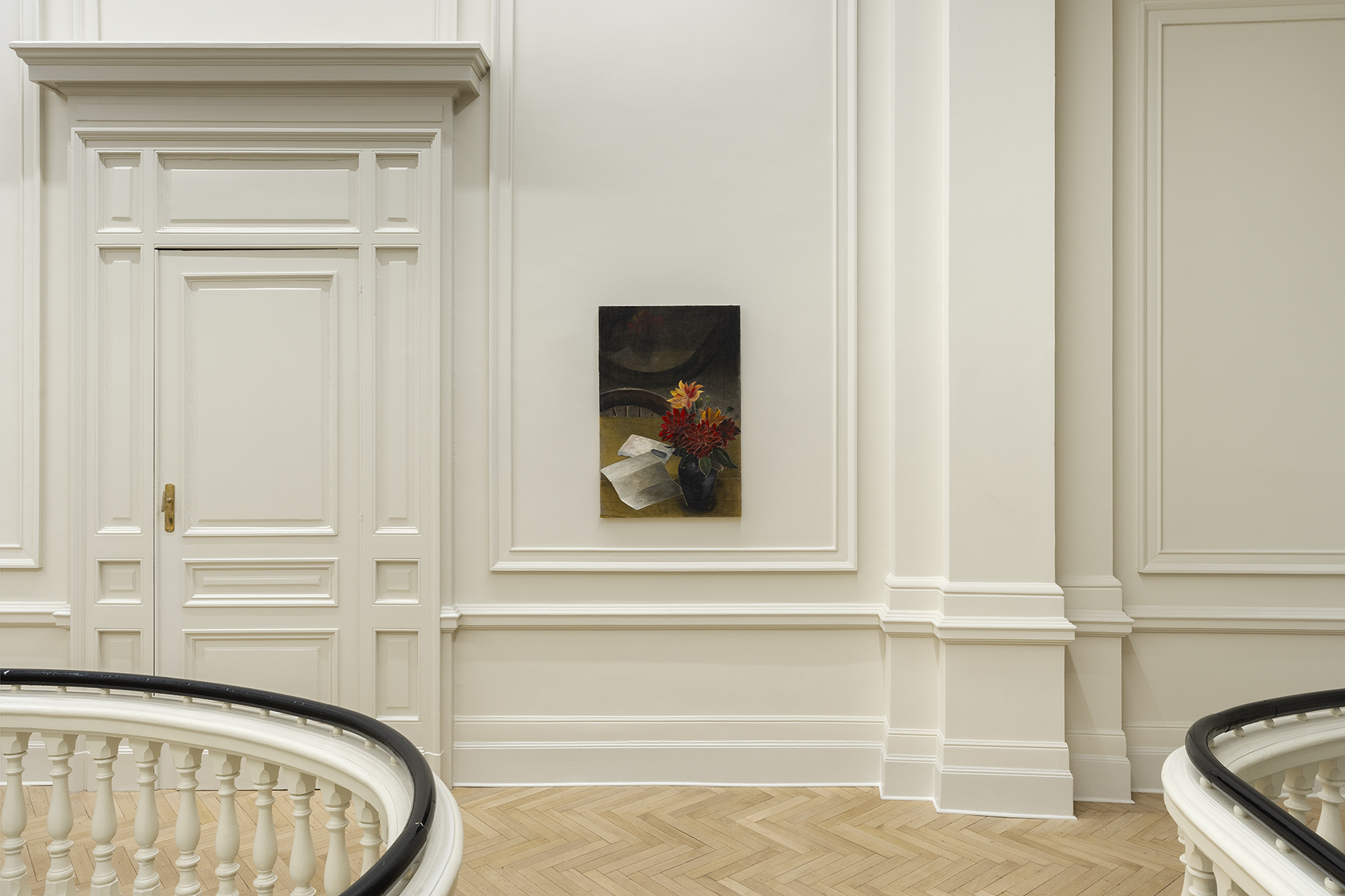
A bouquet of flowers placed on a table, for instance, implies a sequence of events that remains outside the frame. The flowers may have been collected, purchased, or received; their arrangement suggests an activity that has preceded the scene. Changes in light, the appearance of rain, or the preparation of a meal introduce further temporal and narrative possibilities. These details establish a relationship between the depicted image and the life that surrounds it, extending the composition beyond its visible boundaries.
In Teoldi’s work, human presence is frequently suggested rather than directly represented. The interiors and scenes often seem to have been captured just before someone arrives or moments after someone has left. A presence lingers in these spaces, subtle and elusive, like a perfume that remains in a room long after the person has left.
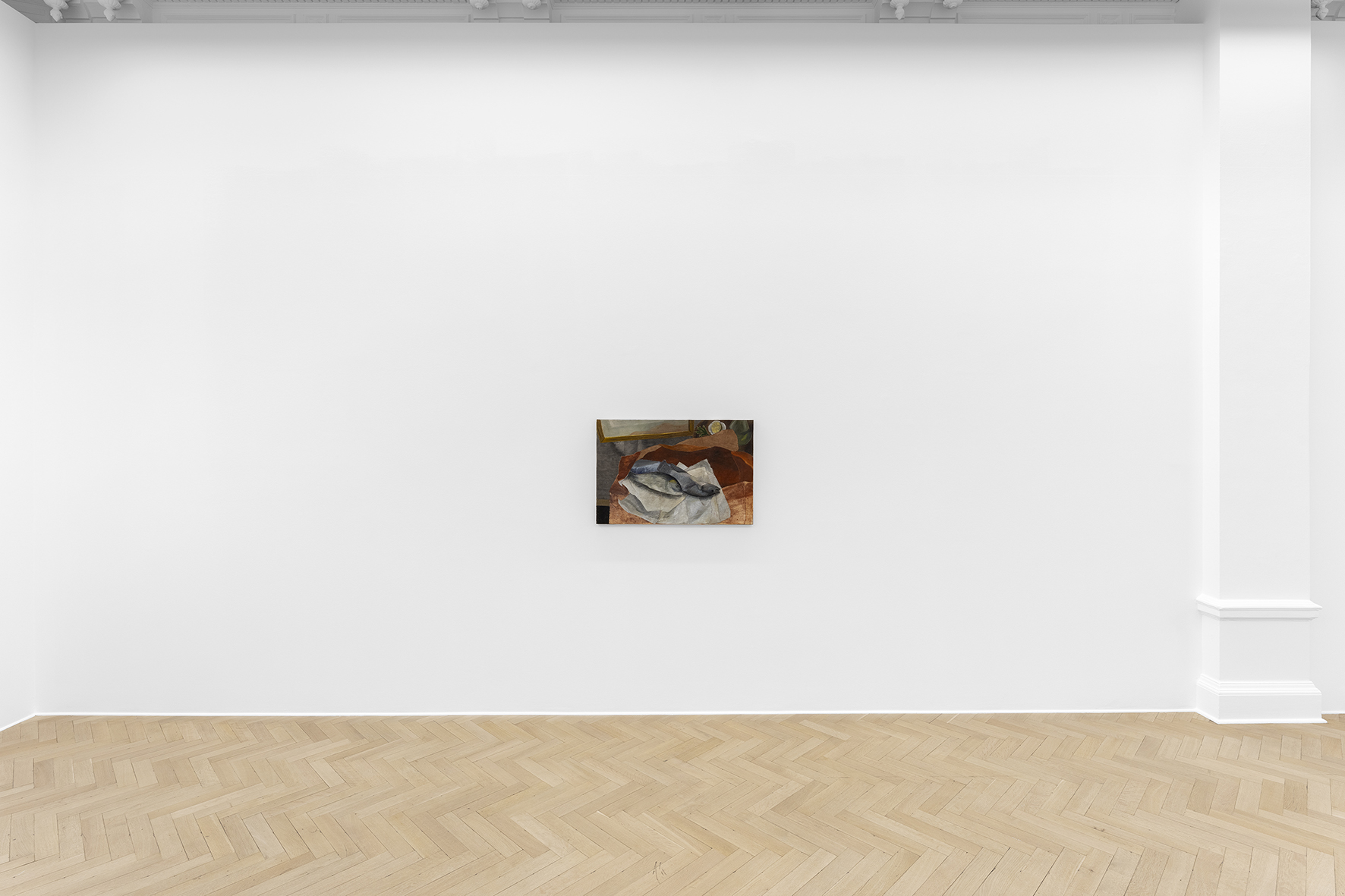
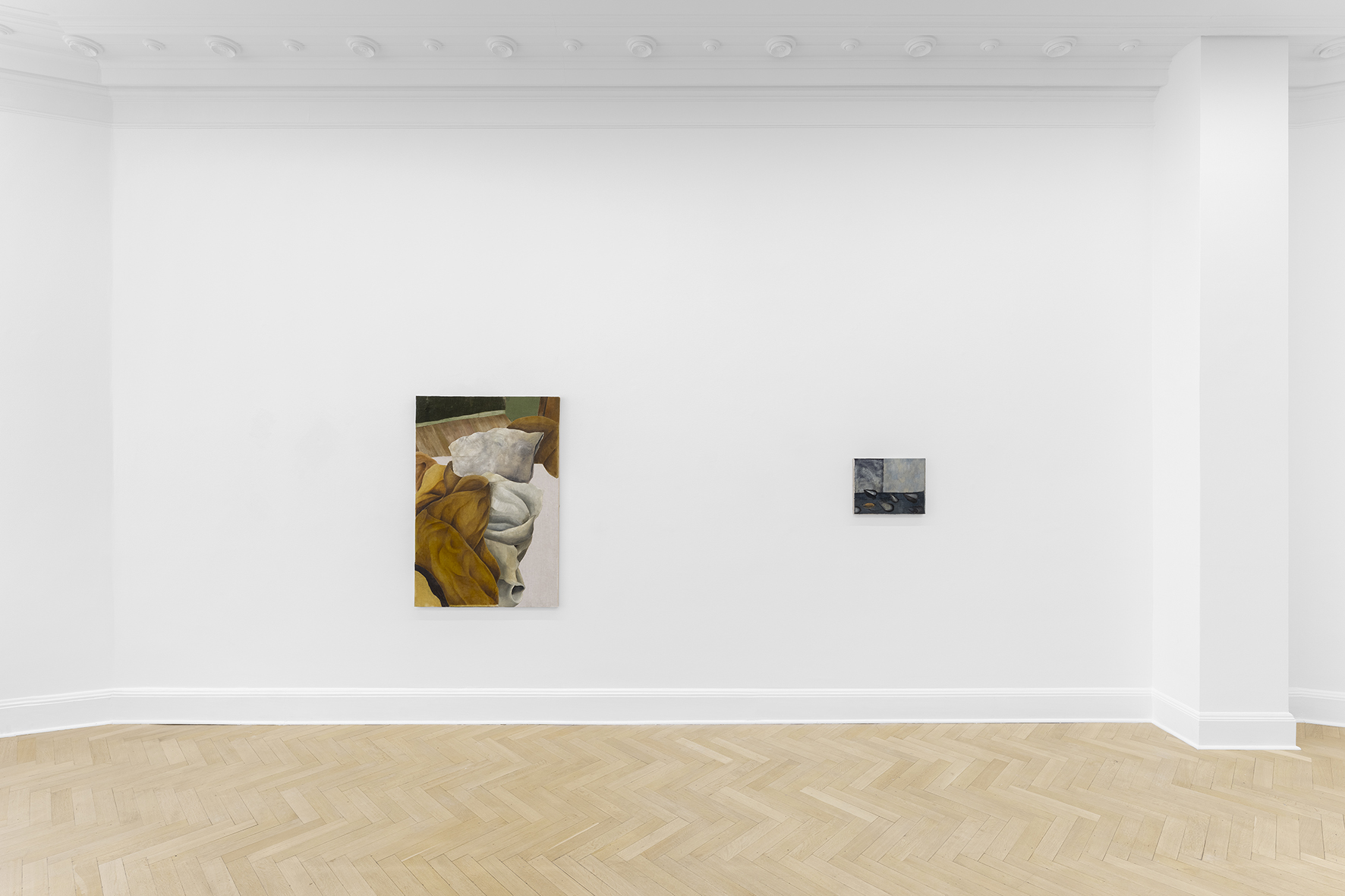
The elements that constitute his paintings are individual fragments before being assembled into a composition. Meticulously painted, cut out, and catalogued, these fragments include petals, tablecloths, pitchers, flowers, fruit, fish, and parts of the human body. Multiple variations of individual objects, observed from different angles, await their final arrangement on the canvas.
Their arrangement emerges through a process in which collage intersects with an exploration of light, colour, and visual perception, informed by an interest in modernist painting. Through successive shifts, juxtapositions, and overlapping layers, the image gradually takes shape. Composition develops through a balance between deliberate construction and intuitive decisions, as elements are introduced, repositioned, or removed.
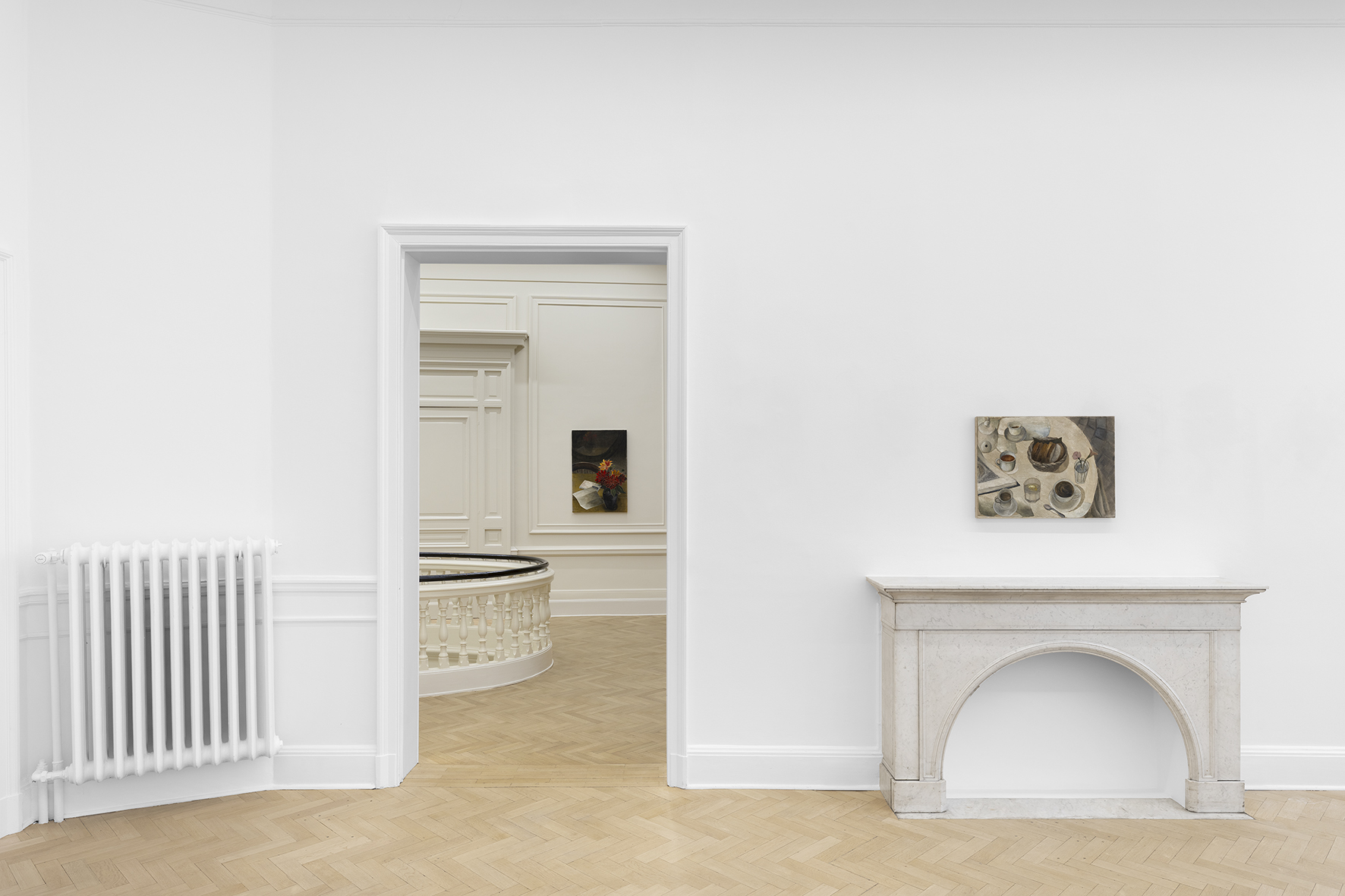
Teoldi’s work has a strong affinity with cinema in the way it sequences images, multiplies viewpoints, and explores variations in light. His table scenes, interiors, and objects seem poised to accommodate an action: an embrace, a conversation, a conflict, perhaps even a decisive event. Yet nothing fully unfolds before our eyes. Everything remains suspended in the realm of possibility.
It is within this space of uncertainty that the gaze begins to wander. Before these works, we become silent witnesses to stories whose endings remain unknown. We observe without being seen, imagining and piecing together lives from a handful of clues.
Perhaps this is where the singular power of Alessandro Teoldi’s work resides: in its ability to evoke the complexity of lived experience through modest fragments and seemingly ordinary scenes. For life is also shaped by these small things, these minute gestures, and these fleeting moments.
EP