Thomas Kiesewetter - Sorry We're Closed
About
Thomas Kiesewetter
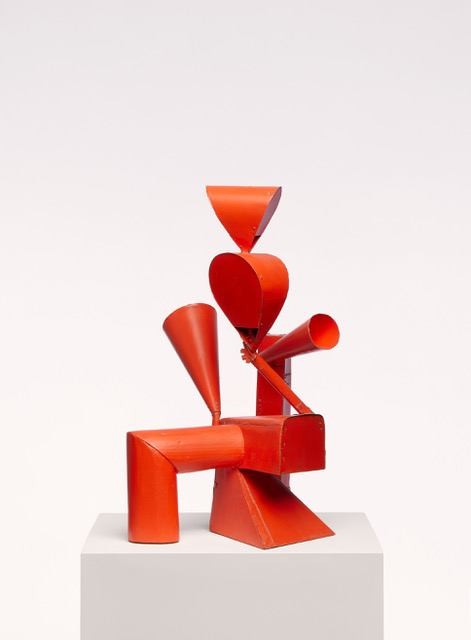
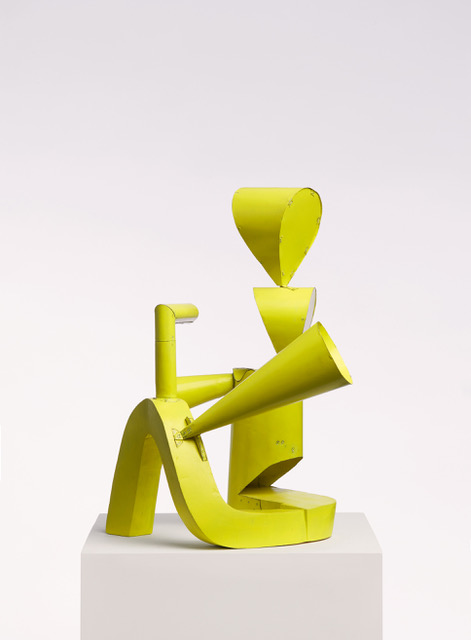
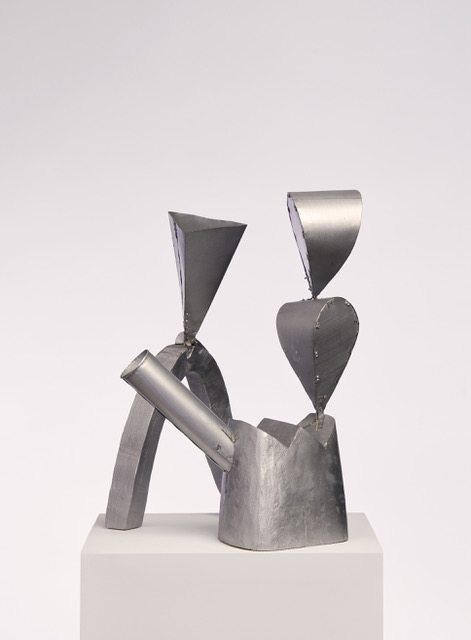
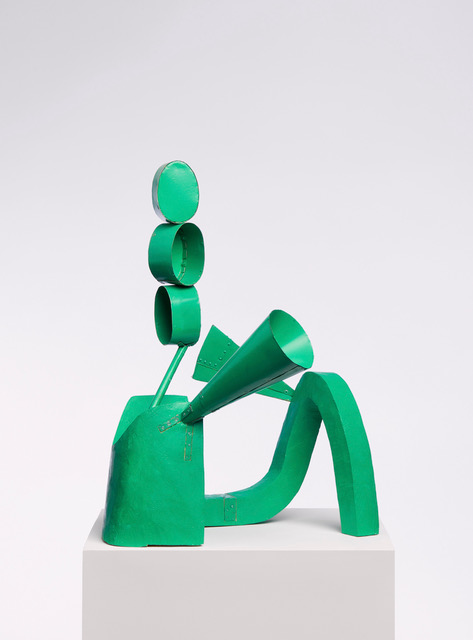
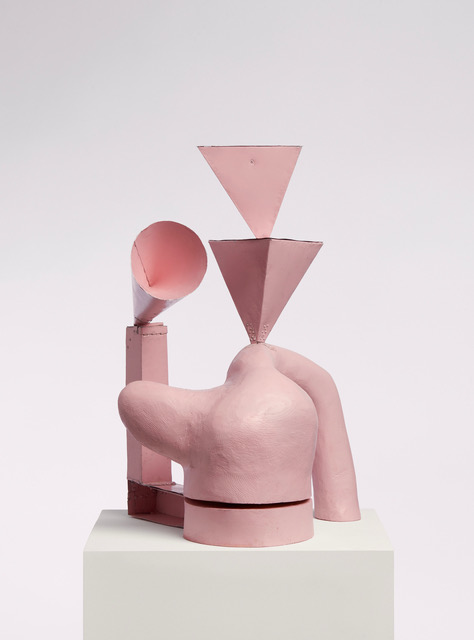
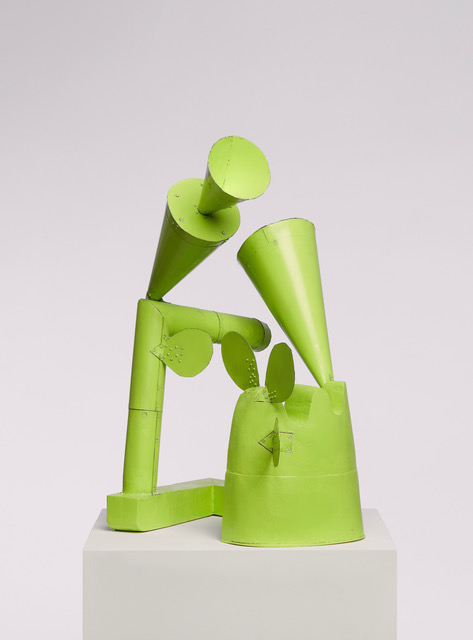
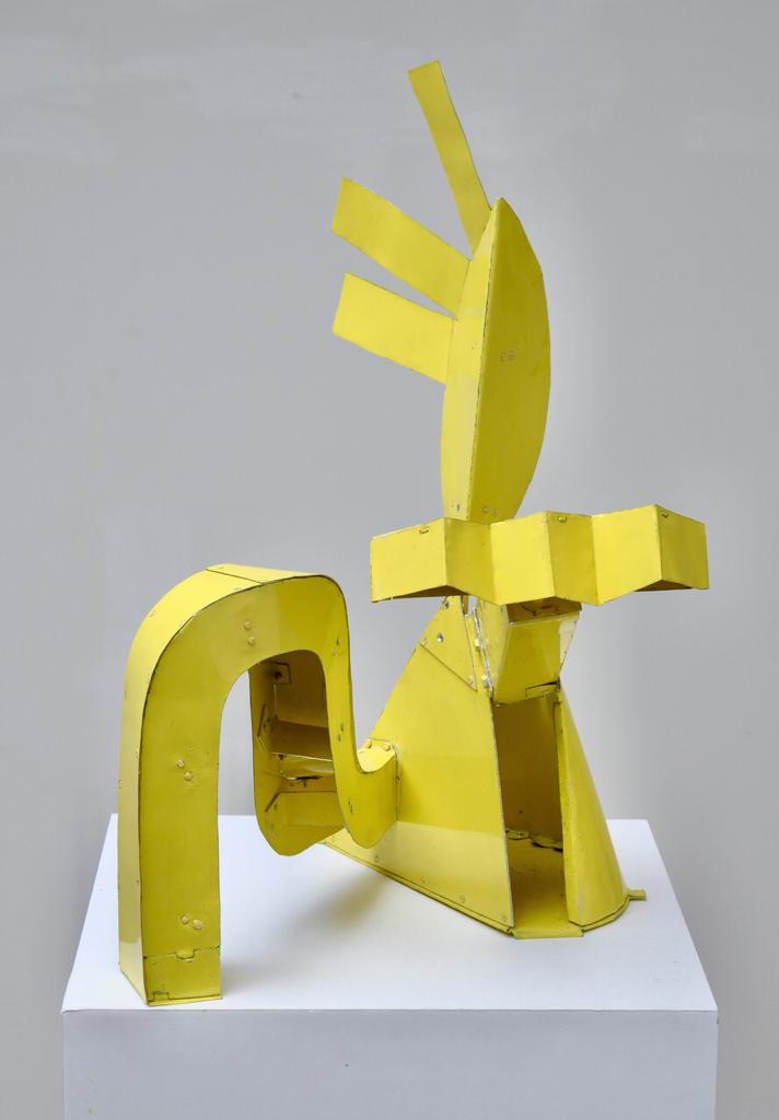
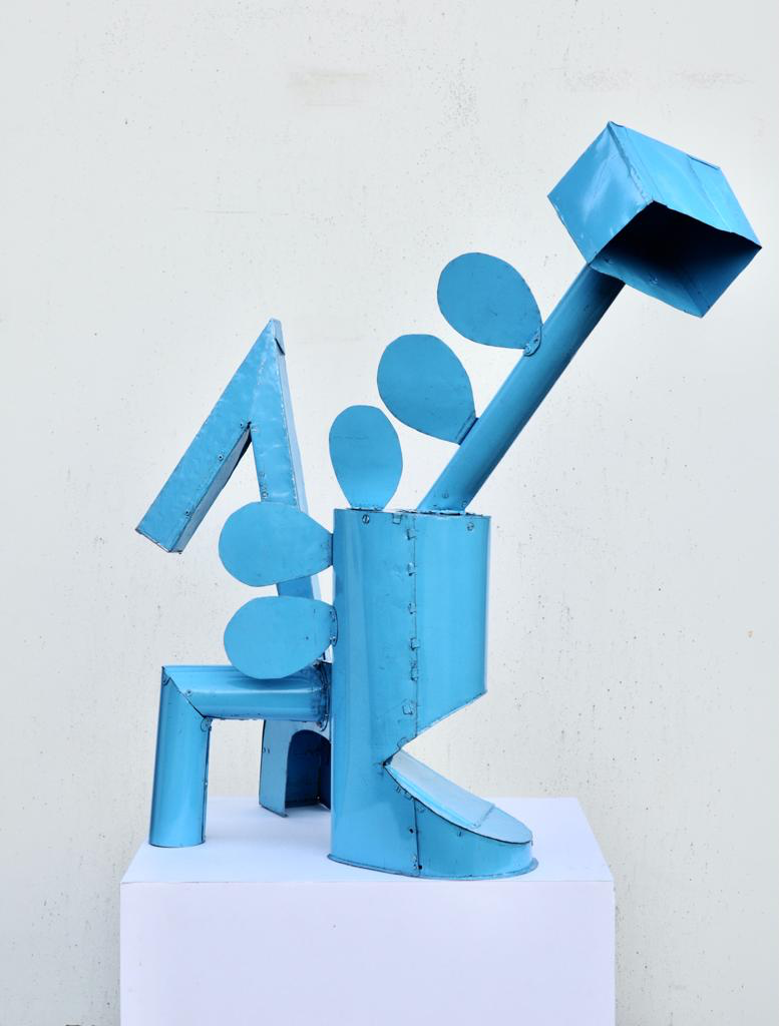
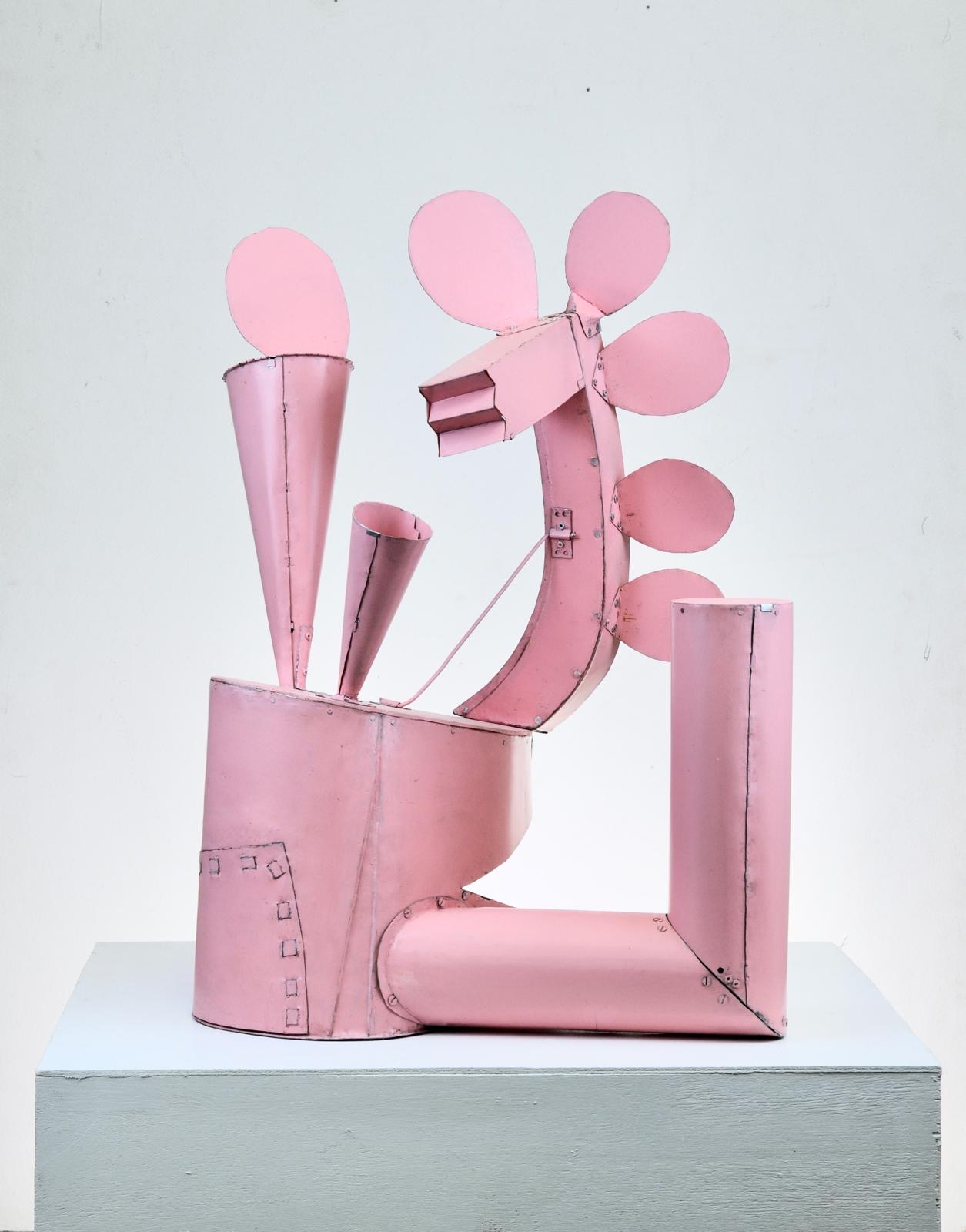
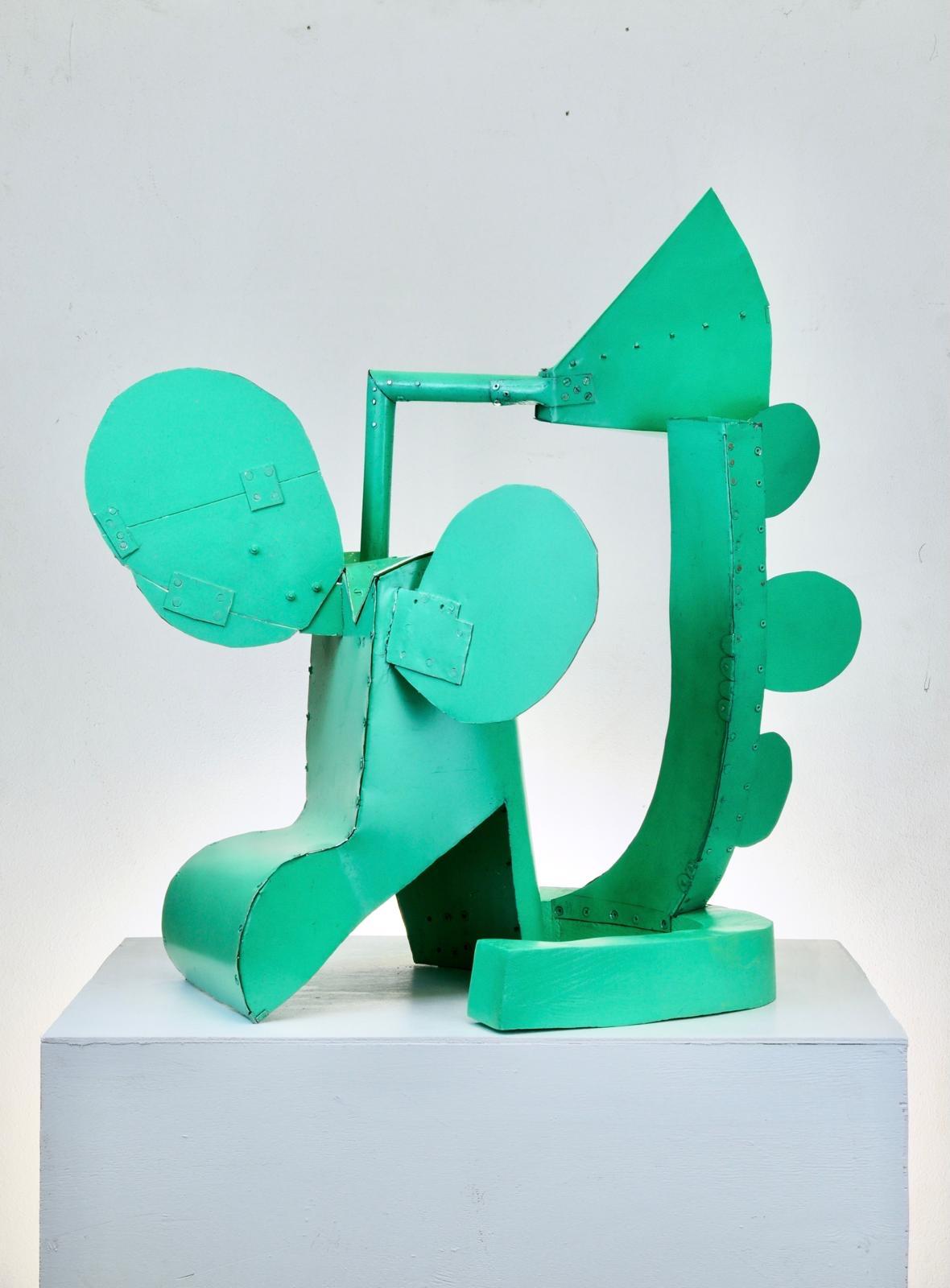
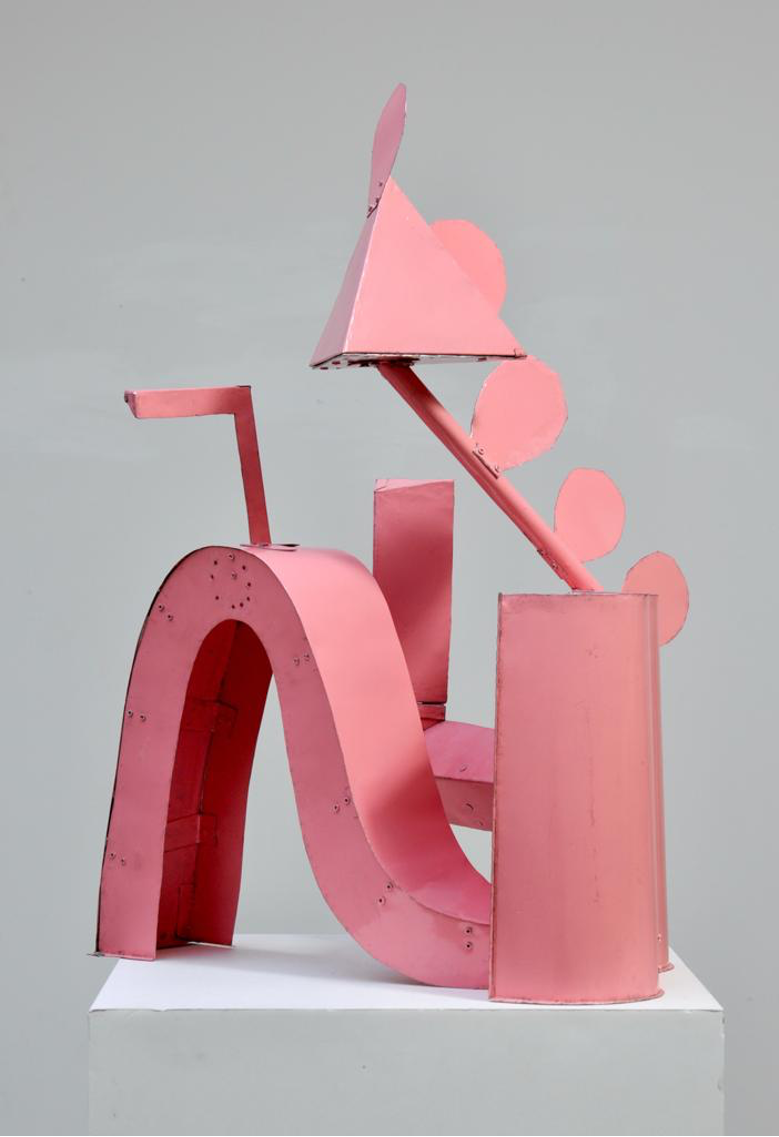
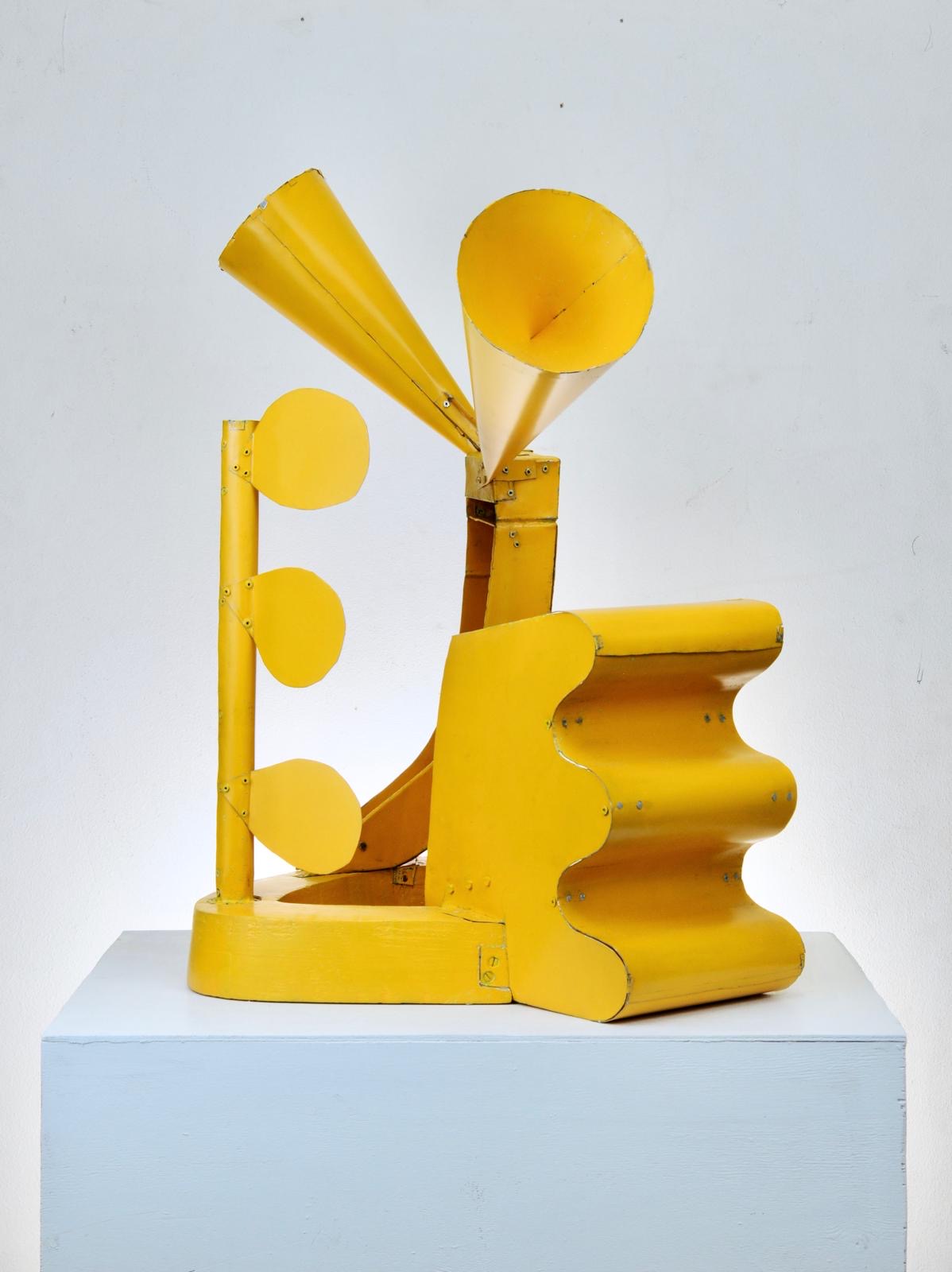
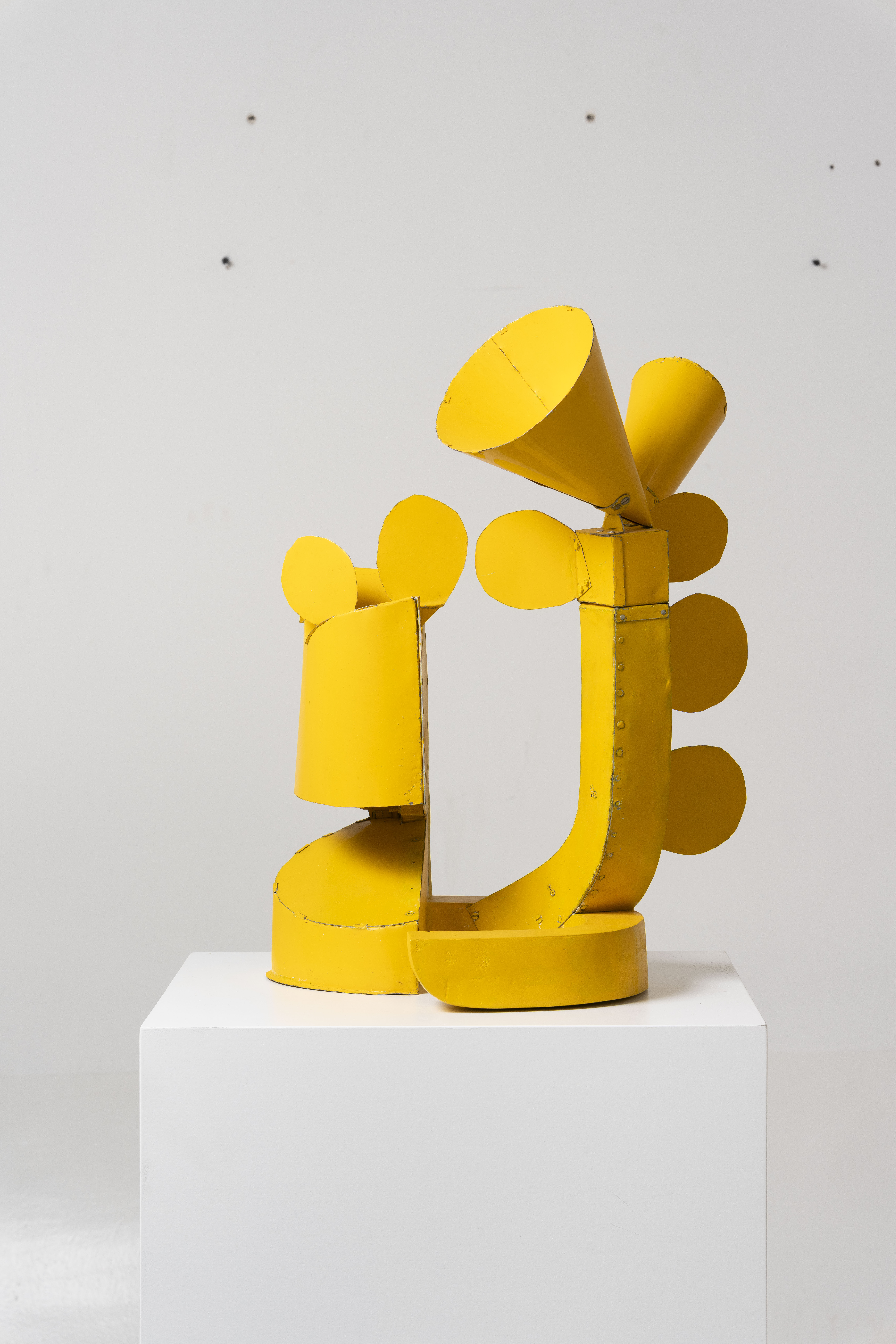
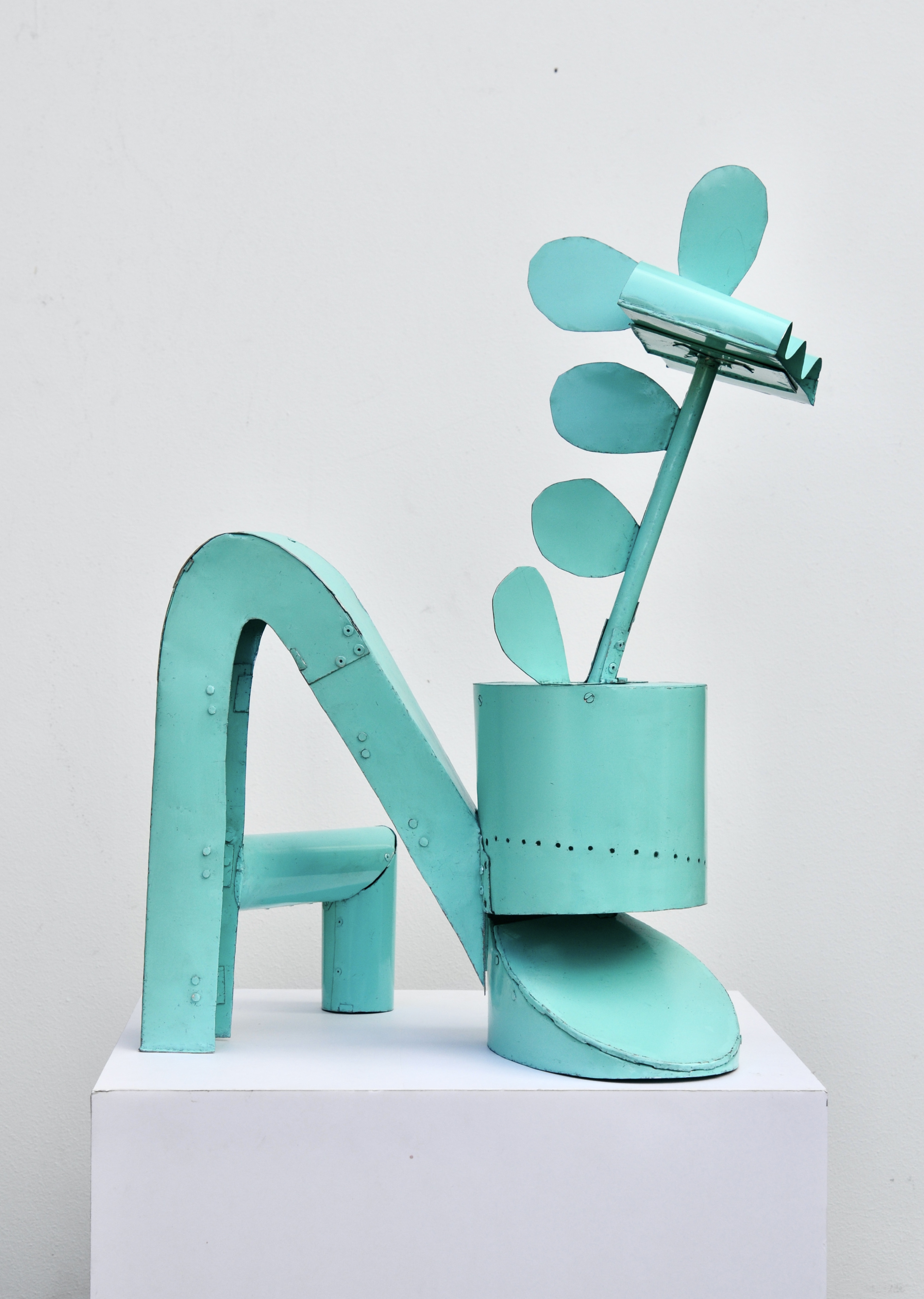
Thomas Kiesewetter makes elegant abstract sculptures in which an industrial material, sheet metal, is playfully bent, folded and imbued with organic, almost human characteristics. Bolted together and painted in bold colours, his sculptures are reminiscent of modernist architectural shapes, as much as they make us conscious of the solidity of their single material. These angular works, unified by their material and their colour, look as if they have been frozen in action, caught mid-stride in their slightly neurotic articulation.
What strikes me with metal as a material is its resistance. Metal seems to me like a stubborn interlocutor and the attempt to change it by pushing and bending involves a certain energy and power. The material demands patience, as it needs to be persuaded into acquiescence while it rigidly proclaims itself as unalterable. When the metal is bent physically, the energy of bending remains apparent.'
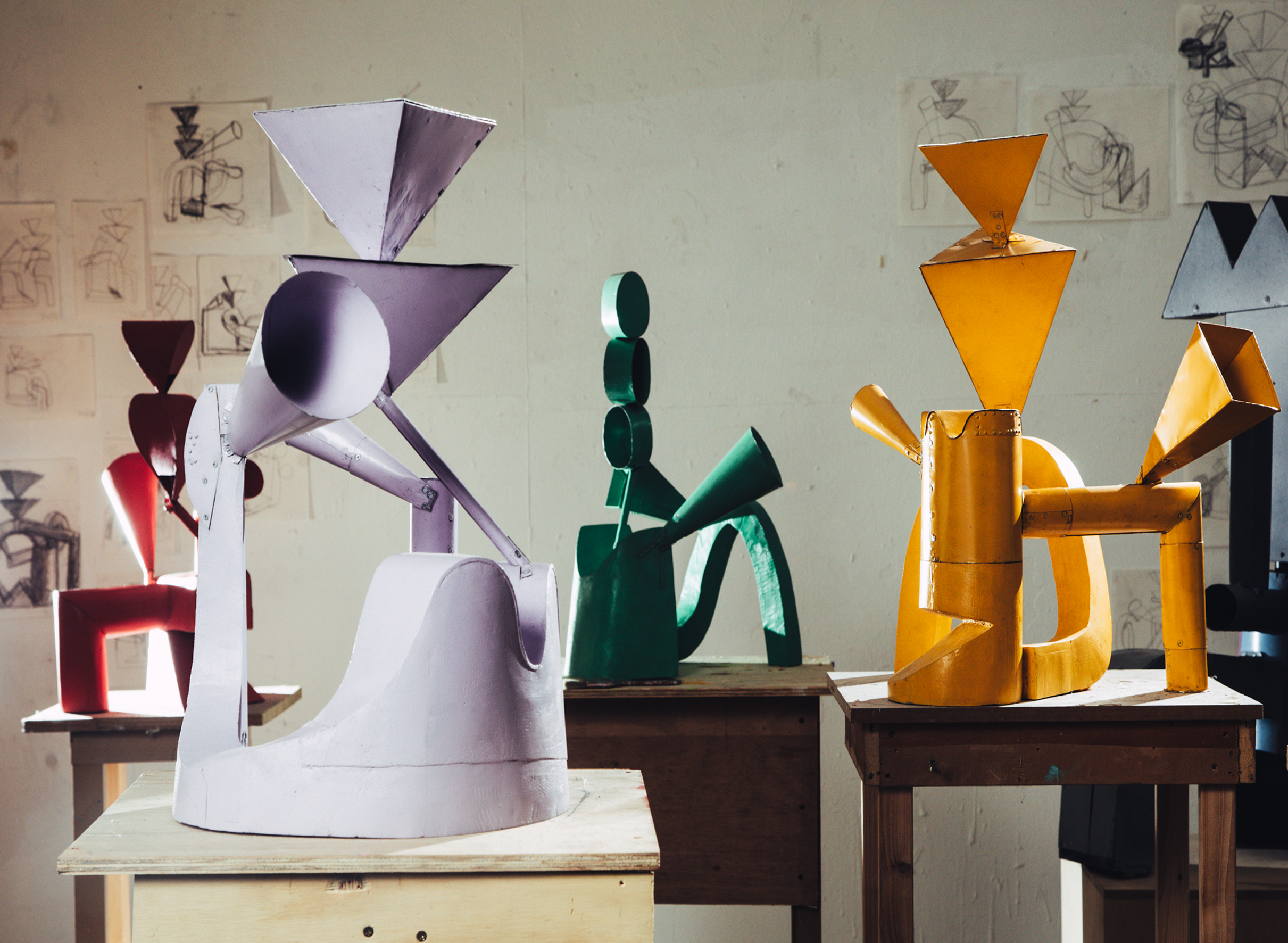
Besides sketches, a Marquette - a three-dimensional model made of cardboard or wood - is the starting point of every work. Often just loosely joined, arched surfaces organic in appearance lean against sharp-edged, geometrical forms. The transcription of these fragile constructions into the tough and resistant material of metal, as well as the combination of the various materials amongst each other, demand effort and patience from the artist and multiple step-procedures: heating, bending, cooling, painting, assembling.
All the more astonishing is the light, almost playful impression of the finished works that stand out due to their precise alignment of balance, their ambivalent material properties, shapes, volumes and arrangements. Due to the allover-coating with industrial paint in blue, orange, yellow or white the sculptures appear as if they were of one cast and each one asserts itself in the space with clear contours. At the same time their composition is clearly visible, due to their absurd, functionless arrangement and because the screws and rivets that are excluded from the color application are in contrast with the monochrome surface.